Why I Collect Antiques Like an Investor, Not a Hoarder
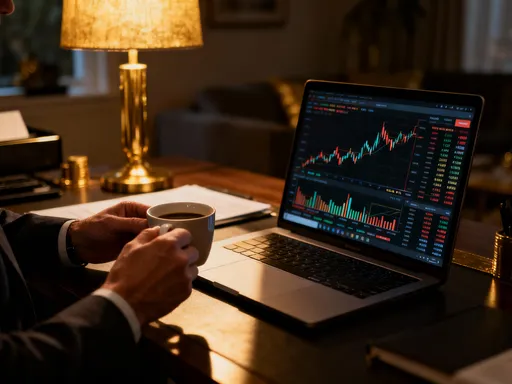
What if your grandma’s dusty side table wasn’t junk—but a quiet wealth builder? I used to overlook antiques as old decor until I realized they can be long-term value anchors in a volatile market. Unlike stocks or crypto, they don’t flash gains, but they’ve shielded my portfolio through downturns. This isn’t about chasing trends; it’s about systematic asset preservation. Let me walk you through how treating antiques as financial assets—not just heirlooms—changed my investment mindset forever.
The Hidden Power of Tangible Assets
In an era dominated by digital portfolios and algorithmic trading, the idea of building wealth through physical objects may seem outdated. Yet, tangible assets like antiques offer a rare form of stability that paper investments often lack. These items—be they 18th-century porcelain, hand-carved mahogany furniture, or signed vintage artwork—carry intrinsic value rooted in their craftsmanship, historical context, and scarcity. Unlike stocks, which can plummet due to a single earnings report, or currencies that fluctuate with central bank policy, antiques are insulated from many of the forces that drive financial volatility. Their value grows not through quarterly dividends, but through endurance, authenticity, and the simple truth that no more will ever be made.
The appeal of antiques as assets lies in their resistance to inflation. Over decades, the purchasing power of cash erodes, but well-chosen antiques have historically maintained or increased their worth. For example, fine European furniture from the early 1900s has appreciated at an average annual rate of 3% to 5% over the past 50 years, according to industry-wide auction data. While this may seem modest compared to tech stock surges, it comes without the gut-wrenching swings. More importantly, antiques are non-correlated assets, meaning their value does not move in lockstep with stock markets. During the 2008 financial crisis, while equities collapsed, high-quality antiques held steady and, in some categories, even rose in value as investors sought safe havens.
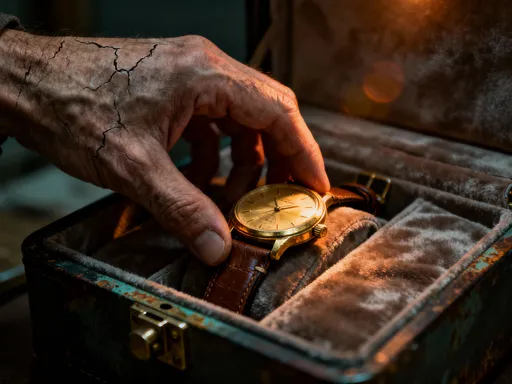
Yet, not every old item qualifies as an investment. The key distinction is intentionality. Most people inherit or stumble upon antiques without a strategy, treating them as sentimental clutter. The investor mindset shifts this perspective: every piece is evaluated not for its emotional resonance, but for its durability, rarity, and market demand. A Victorian writing desk isn’t just a decorative object—it’s a potential store of value, provided it’s original, unrestored, and from a reputable maker. This is the foundation of the approach: treating antiques not as nostalgia, but as preservation-grade assets that can quietly compound over time.
How Antiques Preserve Wealth Differently Than Stocks or Real Estate
Traditional investments each come with their own trade-offs. Stocks offer growth potential but are subject to market sentiment and economic cycles. Real estate can generate rental income but requires active management, carries tax liabilities, and is vulnerable to local market shifts. Antiques, by contrast, occupy a unique niche: they preserve capital with minimal ongoing demands. They do not produce income, yet they avoid the operational burdens of other assets. There are no tenants to manage, no mortgage payments, and no quarterly reports to analyze. Their appreciation is passive, driven by time, care, and market recognition of their authenticity.
One of the most compelling advantages of antiques is their low volatility. While a tech stock might double in a year and halve the next, a well-documented antique tends to appreciate steadily. A study of major auction results from 1970 to 2020 showed that top-tier antiques in the decorative arts category experienced price growth with significantly less fluctuation than the S&P 500 over the same period. This stability makes them particularly valuable during times of economic uncertainty. When inflation rises, as it did sharply in the early 2020s, hard assets tend to outperform paper ones. Antiques, as physical objects with finite supply, naturally benefit from this dynamic.
Moreover, antiques are immune to digital threats. Unlike cryptocurrencies, which can be lost to hacking or forgotten passwords, or brokerage accounts vulnerable to cyberattacks, antiques exist in the real world. Their value is not dependent on a server or a blockchain—it’s embedded in the object itself. This tangibility offers psychological comfort as much as financial security. For many investors, especially those wary of increasingly complex financial systems, owning something real that can be seen, touched, and appreciated provides a sense of control. This is not to say antiques are risk-free, but their risks are different—more predictable and manageable with the right approach.
Another critical factor is their global appeal. High-quality antiques often attract international buyers, which broadens the potential market when it comes time to sell. A rare Qing dynasty vase, for instance, may draw interest from collectors in Europe, North America, and Asia, increasing competition and potentially driving up prices. This global demand base enhances liquidity in high-value segments, even if the overall market is less liquid than stocks. The combination of durability, scarcity, and cross-border appeal makes antiques a distinctive tool for wealth preservation—one that complements, rather than competes with, conventional financial instruments.
Building a Systematic Approach: From Hobbyist to Disciplined Collector
Many people begin collecting antiques out of curiosity or affection for a particular era. A charming dresser from a flea market, a delicate teacup from a thrift store—these acquisitions often stem from impulse or sentiment. But turning collecting into a wealth-building strategy requires a shift from randomness to discipline. The difference between a hoarder and an investor lies not in what they own, but in how they acquire it. A systematic approach introduces structure: clear criteria, budget constraints, and a research-driven process that minimizes emotional decision-making.
The first step is defining a collecting focus. This could be based on period—such as Art Deco or Georgian—geographic origin like French provincial or Japanese Edo, or specific categories like silverware, clocks, or textiles. Specialization increases expertise and reduces the risk of overpaying for undervalued or common items. For example, someone focused on American Shaker furniture will quickly learn the markers of authenticity, such as dovetail joinery and original finish, allowing them to spot fakes or restorations that diminish value. This depth of knowledge becomes a competitive advantage in acquisition.
Budgeting is equally important. Just as an investor allocates a portion of a portfolio to alternative assets, a collector should set an annual acquisition limit. This prevents overconcentration and ensures that purchases remain sustainable. A disciplined collector tracks spending, maintains a wish list, and waits for the right opportunity rather than chasing every available piece. This patience often pays off: a comparable item might appear at auction months later at a lower price, or a private seller may offer a discount during an estate liquidation.
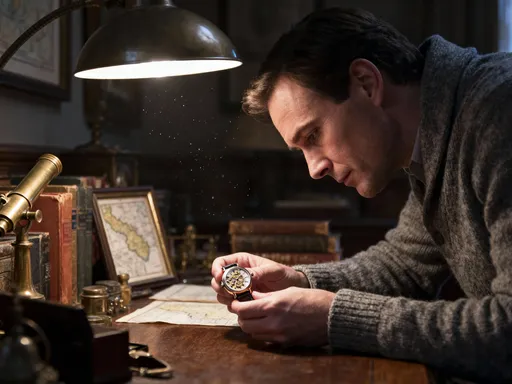
Research is the backbone of this system. Before buying, the investor-collector investigates recent auction results, consults price guides, and reviews scholarly catalogs. Authentication is non-negotiable—provenance documents, maker’s marks, and expert appraisals all contribute to confidence in a purchase. Some collectors go further, joining specialty associations or attending dealer fairs to build relationships with trusted sources. Over time, this methodical process transforms collecting from a pastime into a strategic asset allocation, where each addition is vetted, valued, and aligned with long-term financial goals.
Risk Control: Avoiding Fakes, Overpaying, and Emotional Traps
No investment is without risk, and antiques are no exception. The market contains forgeries, misattributions, and inflated valuations, often targeting inexperienced buyers. A piece labeled as 17th-century English oak might be a 20th-century reproduction, or a painting attributed to a minor master could be a skilled copy. Without proper safeguards, such mistakes can lead to significant financial loss. The disciplined investor mitigates these risks through verification, patience, and emotional detachment.
Authentication is the first line of defense. Working with certified appraisers or recognized experts in the field provides objective validation. Reputable auction houses and dealers often provide provenance research, including past ownership records and exhibition history. For high-value items, third-party verification services can analyze materials—such as wood grain, paint composition, or fabric dye—to confirm age and origin. These steps, while adding cost, protect against costly errors. A $500 appraisal on a $20,000 purchase is a small price for peace of mind.
Market awareness is another critical tool. Prices for antiques can vary widely based on trends, region, and seller type. An item might sell for twice as much at a New York gallery than at a local estate sale, not because of quality, but due to marketing and clientele. By tracking auction records—available through public databases and industry publications—collectors can identify fair market value and avoid overpaying. This data-driven approach counters the tendency to bid emotionally, especially in live auction settings where competition can drive prices beyond rational levels.
Perhaps the most insidious risk is sentimental attachment. It’s easy to fall in love with a piece that reminds you of your grandmother’s home or matches your dining room decor. But buying for emotional reasons often leads to poor financial outcomes. The investor-collector establishes rules to counter this: a 48-hour cooling-off period before finalizing a purchase, consultation with a trusted advisor, or a checklist of value criteria that must be met. These practices create space between impulse and action, ensuring decisions are based on logic, not longing. Over time, this discipline not only protects capital but strengthens the integrity of the collection as a whole.
Storage, Insurance, and Maintenance: Protecting Your Investment
Unlike stocks or bonds, antiques require active stewardship to maintain their value. A painting exposed to direct sunlight may fade, a wooden chest in a damp basement can warp, and silver left untended will tarnish. These physical vulnerabilities mean that ownership involves ongoing responsibility. Proper storage, insurance, and maintenance are not optional—they are essential components of the investment strategy.
Climate control is paramount. Fluctuations in temperature and humidity can cause wood to crack, textiles to deteriorate, and metal to corrode. Ideal conditions for most antiques are stable temperatures between 68°F and 72°F, with relative humidity around 45% to 55%. Specialized storage units or home display areas should include dehumidifiers, air filtration, and UV-protective glazing for framed items. For high-value collections, some investors use museum-grade display cases with internal climate regulation, ensuring long-term preservation.
Insurance is equally crucial. Standard homeowner’s policies often underinsure antiques or exclude certain categories altogether. A dedicated fine art and collectibles policy, offered by specialized insurers, provides broader coverage, including damage during transit, theft, and accidental breakage. These policies typically require professional appraisals and periodic updates to reflect market changes. Without adequate coverage, a single incident—a fallen chandelier, a leaking roof—could erase years of appreciation in moments.
Maintenance must be handled with care. Routine cleaning should follow conservation best practices: soft cloths for dusting, pH-neutral cleaners for wood, and professional restoration only when necessary. Over-cleaning or amateur repairs can permanently reduce value. Many collectors schedule annual check-ups with conservators, who assess condition and recommend interventions. Display choices also matter: rotating items to prevent light exposure, using felt pads under objects, and avoiding high-traffic areas reduce wear. These practices may seem meticulous, but they are the price of preserving value over decades.
When and How to Liquidate: Turning Patience into Gains
Preservation is only one half of the investment equation. The other is realization—knowing when and how to sell for optimal return. Unlike stocks, which can be sold instantly, antiques require timing, channel selection, and strategic planning. A well-chosen exit can turn decades of patience into meaningful financial gain, while a poorly timed sale can undermine years of careful collecting.
Market timing plays a significant role. Demand for certain categories fluctuates with fashion, economic conditions, and collector demographics. For example, mid-century modern furniture saw a surge in popularity in the 2010s, driven by younger buyers and interior design trends. Selling during such peaks can yield premium prices. Conversely, entering a buyer’s market may result in lower offers. Monitoring auction results, dealer inventories, and collector forums helps identify favorable windows. Economic indicators also matter: during periods of high inflation or stock market volatility, demand for tangible assets often increases, creating advantageous selling conditions.
Choosing the right sales channel is equally important. Auction houses offer broad exposure and competitive bidding, but charge seller’s fees ranging from 10% to 25%. Private dealers provide convenience and discretion but may offer lower prices to ensure resale margin. Online platforms have expanded access, allowing direct sales to global buyers, though they require marketing effort and carry transaction risks. For high-value items, a targeted approach—such as a private sale to a museum or collector—can yield the best outcome, especially if the piece has scholarly or historical significance.
Tax considerations must not be overlooked. In many jurisdictions, profits from antique sales are subject to capital gains tax, though rates may be lower than for ordinary income. Holding an item for more than a year often qualifies for long-term capital gains treatment, reducing the tax burden. Proper documentation—appraisals, purchase receipts, provenance records—is essential for accurate reporting. Consulting a tax advisor before selling ensures compliance and optimizes after-tax returns. Above all, the investor avoids forced sales. Liquidating due to financial pressure or emotional distress typically results in suboptimal pricing. The disciplined collector plans exits in advance, aligning them with broader financial goals rather than immediate needs.
Antiques in a Balanced Portfolio: Complementing, Not Replacing, Other Assets
Antiques should not dominate a financial portfolio. Their role is not to replace stocks, bonds, or real estate, but to complement them as a satellite holding. Financial advisors often recommend allocating 5% to 10% of a portfolio to alternative assets for diversification, and antiques fit naturally within this category. Their low correlation with traditional markets enhances resilience, particularly during downturns when other assets decline in tandem. This diversification effect is not about chasing high returns, but about reducing overall portfolio volatility and preserving wealth across generations.
The ideal candidate for antique investing is someone with a long time horizon, a tolerance for illiquidity, and an interest in cultural history. These assets are not for those seeking quick profits or frequent trading. Instead, they suit individuals who value patience, discretion, and the quiet satisfaction of stewarding beauty and craftsmanship. For high-net-worth families, antiques can also serve as legacy assets—pieces passed down with both emotional and financial significance, bridging the past and future.
When integrated thoughtfully, antiques contribute to a more robust financial strategy. They are not a hedge against all risks, but they do offer protection against inflation, digital fragility, and market overreaction. Their value grows slowly, but steadily, like a tree rather than a spark. The investor who treats them with discipline—researching before buying, protecting through proper care, and exiting with strategy—transforms what others see as old furniture into a pillar of enduring wealth. This is not about hoarding the past, but about investing in its lasting worth.