From Guessing to Knowing: How Nutrition Apps Quietly Transformed My Daily Choices
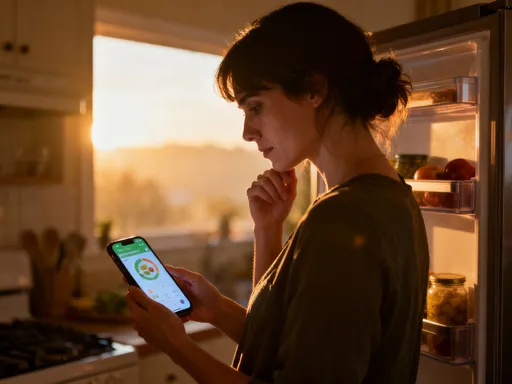
Ever stood in front of the fridge, unsure what to eat—again? I used to cycle through confusion, cravings, and guilt, thinking I just lacked willpower. But what if the real issue wasn’t discipline, but direction? One app changed everything. It didn’t preach or punish. It simply listened, learned, and gently guided me. No more guessing. No more overwhelm. Just clear, kind support that fit my life—exactly as it is. And if you’ve ever felt alone in your kitchen, wondering why eating well feels so hard, this might be the shift you’ve been waiting for.
The Quiet Struggle: Eating Alone, Deciding Alone
Let’s talk about something most of us don’t admit: how often we eat alone. Not because we’re sad or isolated, but because life just unfolds that way. Maybe the kids are at a friend’s house, your partner works late, or you’re single and simply used to feeding yourself. I used to think eating solo was peaceful—no one complaining about the music, no one stealing bites off my plate. But over time, I realized something deeper was missing. It wasn’t company I lacked. It was conversation. Feedback. A second opinion. Someone to say, “Hey, maybe skip the pasta again tonight?” or “That salad looks amazing—what’s in it?”
Without that, I started making the same choices over and over. Toast for breakfast. Leftovers for lunch. Something quick and salty for dinner. Not because I loved those meals, but because they required zero thought. I wasn’t lazy—I was exhausted from deciding. Decision fatigue is real, especially when you’re the only one at the table. Every meal became a tiny battle: what to cook, what to buy, what would actually satisfy me without making me feel sluggish afterward. And more often than not, I just gave up. I’d reach for whatever was easiest, even if I knew it wasn’t the best choice.
What I didn’t realize then was that eating alone wasn’t just about physical nourishment. It was emotional, too. The silence in the kitchen started to echo. I missed the rhythm of shared meals—the laughter, the stories, the small rituals. Without that, food became functional, not joyful. I wasn’t eating to feel good. I was eating to stop feeling bad. And that’s when the guilt crept in. I’d look at my plate and think, “Again? Really?” I blamed myself. I thought I needed more willpower, more discipline, a stronger routine. But the truth was, I didn’t need more willpower. I needed support. I needed someone—or something—that could help me see clearly again.
First Doubts: Do Apps Really Understand Me?
So when a friend suggested I try a nutrition app, my first reaction was skepticism. “You mean one of those things that counts calories and judges you for eating bread?” I asked. She laughed and said, “Not the ones I use.” I’d tried apps before—years ago, back when fitness trackers were all the rage. I remember logging my meals, watching the numbers tick up, and feeling worse every time I ate a cookie. The app didn’t care that it was my birthday. It didn’t know I’d had a rough day. It just said, “You’ve exceeded your limit.” Cold. Mechanical. Like being scolded by a robot.
That’s why I gave up so fast. It felt like the app was my drill sergeant, not my ally. And honestly, who wants to be policed about food? We already do enough of that to ourselves. So when my friend mentioned a different kind of app—one that learns from you, not the other way around—I was curious but cautious. Could something digital really understand my life? My cravings? My schedule? Could it know that on Wednesdays, I’m always tired by 6 p.m.? Or that I crave something sweet after a long phone call with my mom? I doubted it. But I was tired of guessing, so I decided to try.
The first few days were awkward. I didn’t know what to expect. I opened the app and started logging meals like I had before—just names and portion sizes. But then it asked me something different: “How do you feel after this meal?” I paused. No app had ever asked that. I typed, “Full, but kind of sluggish.” The next day, after a light salad, I said, “Light and focused.” And something shifted. The app didn’t just record data. It started to notice patterns. It saw that I felt better after meals with protein. It noticed I skipped breakfast when I was rushed. It didn’t shame me. It just… remembered. And for the first time, I felt seen—not judged, but understood.
A Different Kind of Nudge: When Technology Starts Listening
That’s when I realized this wasn’t like other apps. It wasn’t trying to fix me. It was trying to know me. Instead of setting rigid goals like “eat 1,500 calories,” it asked, “What does a good day feel like for you?” I said, “I want to have steady energy. I don’t want to crash by 3 p.m.” And the app started building around that. It didn’t tell me to cut carbs. It suggested small changes—like adding a handful of nuts to my afternoon snack. Or swapping my sugary yogurt for a plain one with berries.
What surprised me most was how it adapted. One week, I was traveling. I logged a lot of airport food—sandwiches, coffee, pretzels. I expected the app to freak out. Instead, it said, “Travel’s tough. When you’re back home, want to try a simple meal plan to reset?” No guilt. No pressure. Just kindness. And it worked. Because it felt like the app got it. It knew I wasn’t perfect. It knew life happens. And instead of punishing me, it helped me find my way back.
Another time, I logged a late-night snack—chocolate, yes, again—and wrote, “Stressed about work.” The next morning, the app gently suggested, “When stress hits, could a short walk help? Or a calming tea?” Not “Don’t eat chocolate.” Not “You failed.” Just a soft nudge toward something that might help. That’s when I stopped seeing it as a tool and started seeing it as a companion. It wasn’t commanding me. It was caring for me. And that changed everything.
Building Trust: Small Wins That Add Up
Trust doesn’t come overnight. It grows from small moments. For me, it started with lunch. I used to order takeout three times a week—usually something greasy and heavy. But the app began reminding me, “You felt great after that grilled chicken bowl last week. Want to try it again?” At first, I ignored it. But one day, I was tired and didn’t want to think, so I followed the suggestion. I made a simple version at home—chicken, quinoa, roasted veggies. I felt better all afternoon. No slump. No guilt. Just satisfaction.
That one meal sparked a shift. I started noticing how different foods made me feel. The app helped me connect the dots: protein kept me full, veggies gave me energy, too much sugar made me crash. It wasn’t about rules. It was about awareness. And the more I paid attention, the more I wanted to make choices that supported me. I began meal prepping on Sundays—not perfectly, but enough. I’d roast a tray of vegetables, cook a batch of brown rice, grill some chicken. Nothing fancy. But having those ready made weekday meals easier. And the app cheered me on—quietly, without fanfare.
Another win: breakfast. I used to skip it or grab a muffin on the go. But the app noticed I was hungrier by 10 a.m. and suggested, “Try a balanced breakfast with protein and fiber.” I started making oatmeal with peanut butter and banana. Simple. Fast. And I didn’t feel shaky by mid-morning. My energy stayed steady. My focus improved. My husband even said, “You seem calmer lately.” I didn’t say it was the app. But I knew it was part of it. Each small success built my confidence. I wasn’t perfect—far from it. But I was learning. And the app was there, not to track my failures, but to highlight my progress.
Beyond the Plate: How Better Choices Ripple Outward
Here’s what I didn’t expect: eating better didn’t just change my body. It changed my mind. My mood stabilized. I wasn’t as reactive. I didn’t snap at my kids over small things. I slept better. I started going to bed earlier because I wasn’t lying awake digesting heavy food. And I woke up feeling refreshed, not groggy. It was like a chain reaction—better food led to better sleep, which led to better patience, which led to better days.
The app didn’t stop at food. It started asking about movement. Not “How many steps did you take?” but “How did moving your body feel today?” I began walking more—not to burn calories, but because I liked how it made me feel. A 20-minute walk after dinner became a ritual. I’d listen to a podcast or call a friend. I wasn’t exercising to punish myself. I was moving to care for myself. And the app supported that. It didn’t demand more. It celebrated what I did.
I also started noticing my thoughts. When I felt stressed, I used to reach for food. Now, I pause. I check in. The app taught me to ask, “Am I hungry, or am I just tired? Sad? Overwhelmed?” That simple question changed my relationship with food. I eat when I’m hungry. I stop when I’m full. And when I’m not, I find other ways to soothe myself—deep breaths, a cup of tea, a few minutes of stretching. It’s not perfect, but it’s progress. And that progress has spilled into other areas—how I parent, how I work, how I show up in my relationships. Taking care of myself didn’t make me selfish. It made me more present.
Designing for Real Life: What Makes These Apps Work
Not all nutrition apps are the same. What makes this one different is how it’s designed—not for perfection, but for real life. It doesn’t assume you have time to cook elaborate meals. It doesn’t expect you to weigh every ingredient. It knows you have bad days. It knows you travel, you get tired, you forget. And instead of failing you, it adapts.
One key feature is mood logging. You can note how you feel before and after eating. Over time, patterns emerge. Maybe you notice you crave sweets when you’re anxious. Or that salty snacks make you thirsty and restless. The app doesn’t tell you what to do. It helps you see. And when you see, you can choose differently. Another feature is flexible goal setting. Instead of “lose 10 pounds,” you can set goals like “feel more energy” or “sleep better.” The app then tailors suggestions to support that. It’s not about fitting you into a mold. It’s about shaping the tool around you.
It also integrates seamlessly into daily life. I can log a meal in seconds—just a photo or a quick voice note. No typing long descriptions. It learns my favorites, so suggestions get smarter over time. And it respects my privacy. No ads. No data sharing. Just a safe space to track, reflect, and grow. The design is simple, clean, calming—like a quiet corner in a busy house. It doesn’t shout. It whispers. And that’s what makes it work. It’s not flashy. It’s faithful.
A Companion, Not a Coach: Rethinking the Role of Tech in Self-Care
I used to think technology was cold. Impersonal. But this app taught me something different. It showed me that tech can be warm. Thoughtful. Even kind. It doesn’t replace human connection. But for those of us who eat alone, who make decisions in silence, it offers something valuable: understanding. It sees the small efforts. It honors the hard days. It celebrates progress, not perfection.
Using it has changed how I see self-care. It’s not about strict rules or dramatic overhauls. It’s about small, consistent choices that add up. It’s about being kind to yourself. Listening to your body. Trusting yourself. The app didn’t give me willpower. It gave me clarity. And with that clarity came confidence. I no longer stand in front of the fridge, frozen. I know what I need. I know what makes me feel good. And when I’m unsure, I have a quiet voice that says, “Remember how great you felt after that smoothie? Want to try it again?”
If you’ve ever felt alone in your kitchen, wondering why healthy eating feels so hard, I want you to know something: it’s not you. It’s the system. We’ve been sold the idea that eating well requires willpower, time, and perfection. But what if it just required support? What if the right tool could help you listen to your body, trust your choices, and feel good—without guilt, without pressure, without shame? That’s what this app gave me. Not a diet. Not a punishment. But peace. And if that sounds like what you’ve been missing, maybe it’s time to try. Not because you’re broken. But because you deserve to feel your best—every single day.