How I Fixed My Anxiety by Tuning Into My Body
For years, I struggled with constant anxiety—racing thoughts, tight chest, endless fatigue. I tried meditation and therapy, but real change came when I started listening to my body. Turns out, mental health isn’t just in your head. By adjusting how I moved, breathed, and rested, everything shifted. This is what actually worked for me, no hype, just real steps that brought real calm. The journey wasn’t about dramatic transformations or overnight fixes. It was about learning to notice the quiet signals my body had been sending for years—signals I had ignored, dismissed, or medicated away. When I finally tuned in, I discovered a deeper kind of healing, one rooted not in suppression, but in alignment.
The Mind-Body Misconnection: Why Mental Health Isn’t Just “In Your Head”
Modern life often treats the body as a vessel for the mind, a tool to carry us through work, parenting, and responsibilities. We schedule meetings, manage households, and plan social events—but rarely do we pause to ask how our bodies are coping. This disconnection is not just a minor oversight; it’s a core reason why anxiety and stress have become so widespread. The truth is, mental health is not confined to the brain. It is deeply intertwined with the signals, rhythms, and chemistry of the body. When we ignore physical cues—tight shoulders, shallow breathing, disrupted digestion—we silence a vital feedback system designed to protect us.
The science behind this connection is both profound and practical. The autonomic nervous system, which includes the sympathetic (fight-or-flight) and parasympathetic (rest-and-digest) branches, operates largely outside conscious control. Yet, it responds directly to our thoughts, emotions, and behaviors. Chronic stress keeps the sympathetic system activated, flooding the body with cortisol and adrenaline. Over time, this leads to physical manifestations: muscle tension, elevated heart rate, poor sleep, and gastrointestinal discomfort. These are not side effects—they are warnings. The body is attempting to communicate that something is out of balance.
Common signs of distress are often dismissed as normal parts of busy life. Fatigue is chalked up to lack of sleep. Jaw clenching is considered a habit. Bloating is blamed on diet. But when these symptoms persist, they point to a deeper issue: the body is holding onto unprocessed stress. Ignoring them doesn’t make the stress disappear—it only drives it deeper, often amplifying anxiety and low mood. Research in psychophysiology shows that individuals with high interoceptive awareness—meaning they can accurately sense internal bodily states—tend to have better emotional regulation and lower anxiety levels. This suggests that reconnecting with the body isn’t just helpful; it’s essential for mental well-being.
Reframing mental health as a whole-body experience shifts the focus from symptom management to root-cause awareness. Instead of asking only “What am I thinking?” we begin to ask, “What is my body telling me?” This subtle shift opens the door to more sustainable healing. It invites us to see anxiety not as an enemy to be defeated, but as a messenger urging us to slow down, listen, and respond with care.
My Breaking Point: When Anxiety Became Too Loud to Ignore
The turning point came on a Tuesday morning that felt like any other—until it didn’t. I woke up with a crushing weight on my chest, my heart racing despite having done nothing physical. My hands trembled as I reached for my phone, and I struggled to catch my breath. At first, I assumed it was a panic attack, something I had experienced before. But this time, it didn’t pass in ten minutes. It lingered for hours, accompanied by dizziness, nausea, and an overwhelming sense of dread. I called my doctor, who ran tests. Everything came back normal. No heart issues, no thyroid imbalance, no physical cause. “It’s likely stress-related,” she said. “Have you considered therapy?”
I had already been in therapy for months. I practiced mindfulness, journaled, and used cognitive-behavioral techniques to challenge negative thoughts. These tools helped me understand my anxiety, but they didn’t stop the physical symptoms. I could rationalize my fears during the day, yet at night, my body remained on high alert. I would wake up at 3 a.m., drenched in sweat, my mind spinning with unanswerable questions. I began to feel like I was failing at healing, as if my inability to “fix” myself was a personal shortcoming.
It wasn’t until I attended a workshop on trauma and the nervous system that I had a revelation: my body was holding onto stress that my mind couldn’t process. The concept of “somatic memory” explained what I had been experiencing—how unprocessed emotional experiences get stored in the body as tension, pain, or dysfunction. I realized that while talk therapy addressed the narrative of my anxiety, it wasn’t releasing the physical residue. My muscles were braced, my breath was shallow, and my nervous system was stuck in survival mode. No amount of positive thinking could override that.
That moment marked a shift in my approach. I decided to stop chasing mental solutions for a physical problem. Instead, I committed to exploring body-based practices—not as trends or quick fixes, but as a long-term commitment to listening. I didn’t expect miracles. I simply wanted to feel safe in my own skin again. I began with small experiments: slowing my breath, noticing tension, allowing myself to rest without guilt. These weren’t dramatic actions, but they were radical in their simplicity. For the first time, I was treating my body not as a problem to be managed, but as a partner in healing.
Breath as an Anchor: How Simple Breathing Retrained My Nervous System
If there’s one practice that transformed my anxiety, it was learning to breathe differently. Not deeper, not faster, but slower and more intentionally. I discovered diaphragmatic breathing, a technique that engages the diaphragm rather than relying on shallow chest breathing. This type of breathing stimulates the vagus nerve, a key component of the parasympathetic nervous system. When activated, the vagus nerve signals the body to relax, lowering heart rate, reducing blood pressure, and calming the mind. It’s one of the few ways we can consciously influence our autonomic nervous system—a direct line to inner calm.
I started with just two minutes a day. I sat in a quiet corner of my living room, feet flat on the floor, hands resting on my belly. I inhaled slowly through my nose for a count of four, feeling my abdomen rise. I held for a moment, then exhaled through pursed lips for a count of six. The extended exhale is crucial—it enhances vagal tone, making the relaxation response stronger. At first, it felt awkward. My mind wandered, and I often forgot to do it. But I kept showing up, treating it like brushing my teeth—a non-negotiable part of my routine.
Within two weeks, I noticed changes. My resting heart rate dropped from the mid-80s to the low 70s. I stopped waking up at 3 a.m. with racing thoughts. My focus improved, and I felt less reactive during stressful moments. When a child spilled juice on the carpet or a work deadline loomed, I could pause and take three conscious breaths before responding. That small window made all the difference. I wasn’t erasing stress, but I was changing my relationship to it.
What surprised me most was how consistency mattered more than perfection. I didn’t need to breathe perfectly to benefit. Even on days when I only managed one round, the act of pausing and reconnecting helped. Over time, the practice became automatic. Now, I use it in traffic, before phone calls, and during moments of overwhelm. It’s not a cure, but a tool—a way to return to center when life pulls me off balance.
Movement That Heals: Finding the Right Rhythm for My Body
For years, I associated exercise with intensity—long runs, spin classes, high-energy workouts that left me exhausted. I believed that if I wasn’t sweating and sore, I wasn’t doing enough. But as my anxiety worsened, those routines began to feel like punishment, not relief. My body was already overstimulated; adding more stress only made things worse. It wasn’t until I shifted to gentler forms of movement that I experienced true release.
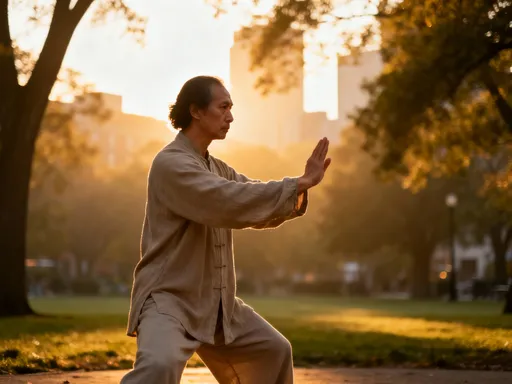
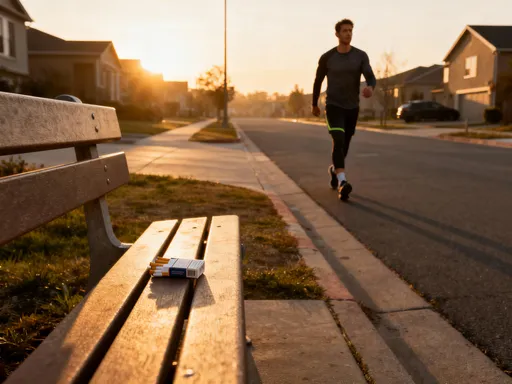
I started walking—short, slow walks around my neighborhood with no destination. I focused on the rhythm of my steps, the sensation of my feet hitting the ground, the air on my skin. These walks weren’t about burning calories or tracking distance. They were about reconnecting with my body’s natural pace. I noticed how my shoulders relaxed, how my breath deepened, how my thoughts slowed. Walking became a form of moving meditation, a way to discharge nervous energy without adding strain.
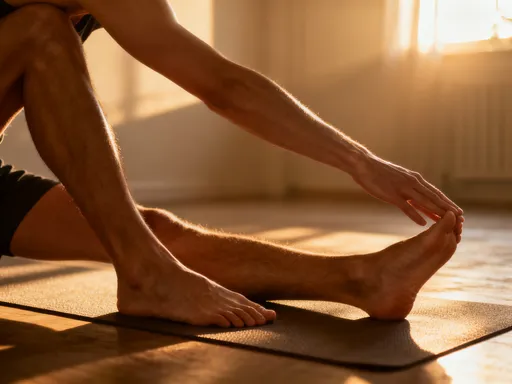
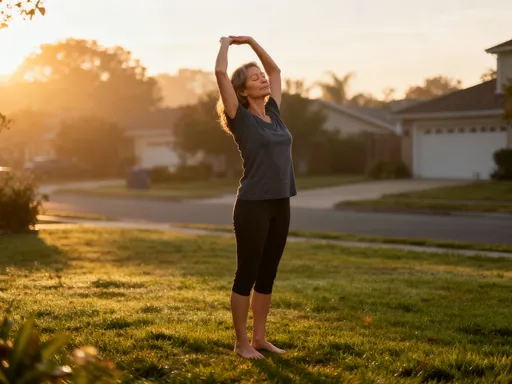
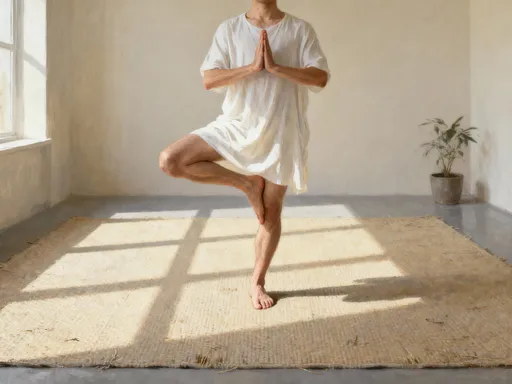
Eventually, I added stretching and gentle yoga. These practices taught me to move with awareness, not force. I learned to notice where I held tension—in my neck, jaw, hips—and to release it gradually. Movement, I realized, wasn’t just about fitness. It was a way to express what words couldn’t. When I stretched my arms overhead, I felt a release in my chest. When I folded forward, I sensed a letting go of mental clutter. These weren’t dramatic emotional breakthroughs, but quiet moments of integration.
I built a weekly routine that balanced consistency with flexibility. Three days of walking, two of stretching, and one gentle yoga session—never more than 30 to 45 minutes. I didn’t push through fatigue or ignore pain. Instead, I listened. Some days, that meant just five minutes of swaying side to side. Other days, it meant a longer walk under the trees. The key was showing up without judgment. Over time, the mental clarity that followed physical release became its own motivation. I didn’t need to convince myself to move—I began to crave the calm it brought.
Rest Reimagined: Why Sleep and Stillness Are Foundational
Rest, I learned, is more than just sleep. It’s any moment we allow the nervous system to shift from doing to being. In a culture that glorifies busyness, rest is often seen as lazy or unproductive. But for someone with anxiety, rest is not a luxury—it’s a necessity. Chronic stress depletes the body’s resources, and without adequate recovery, the cycle of tension and fatigue continues. I had to redefine rest not as something earned, but as something required.
I started by adjusting my nighttime routine. I turned off screens an hour before bed, knowing that blue light suppresses melatonin, the hormone that regulates sleep. I lowered the thermostat, since a cooler room supports deeper sleep. I practiced diaphragmatic breathing in bed, using the same four-in, six-out pattern that had helped during the day. These small changes improved my sleep quality more than any supplement or sleep aid ever had.
But I also incorporated micro-moments of stillness throughout the day. I began taking five-minute pauses—sitting quietly with a cup of tea, closing my eyes during a child’s nap, standing barefoot on the grass. These weren’t long, but they gave my nervous system a chance to reset. I tracked my progress not by hours slept, but by energy levels. When I felt consistently more present and less drained, I knew the changes were working.
The role of circadian rhythm in mood stability cannot be overstated. When our internal clock is disrupted—by irregular sleep, late nights, or inconsistent routines—it affects everything from hormone regulation to immune function. By aligning my rest with natural light cycles, I supported my body’s innate ability to regulate mood. Over time, the sharp edges of anxiety softened. I didn’t feel euphoric, but I felt steady—a sense of groundedness I hadn’t known in years.
Body Scanning and Awareness: Learning to Listen Before Breaking
One of the most powerful tools I adopted was the body scan—a practice of systematically bringing attention to different parts of the body. It’s a form of interoception training, helping to sharpen the ability to sense internal states. I started with a simple five-minute version: lying down, eyes closed, I would move my attention from my toes to my head, noticing any sensations without judgment. Was there warmth? Tension? Numbness? The goal wasn’t to fix anything, but to observe.
At first, I was surprised by how little I actually felt. My mind was quick to analyze, but my body was a mystery. Over time, that changed. I began to notice subtle signals—a tightness in my stomach before a stressful call, a clenching in my jaw during arguments, a heaviness in my limbs when I was emotionally drained. These weren’t dramatic alarms, but quiet whispers. By catching them early, I could respond before anxiety escalated.
I made this practice part of my morning and bedtime routine. In the morning, it helped me set an intention for the day. At night, it allowed me to release the day’s tension. It wasn’t always comfortable—sometimes, I discovered emotions I had been avoiding. But each session deepened my self-awareness and built resilience. I wasn’t trying to eliminate discomfort; I was learning to coexist with it, to respond with care rather than fear.
The long-term benefit has been a shift in my relationship with stress. Instead of waiting for a crisis, I now have an early warning system. I can pause, breathe, and adjust before things spiral. This doesn’t mean I never feel anxious—but I recover faster. Body scanning taught me that healing isn’t about perfection. It’s about presence.
Putting It All Together: A Sustainable, Body-First Approach to Mental Wellness
What transformed my anxiety wasn’t one single practice, but the synergy between breath, movement, and rest. These elements created a feedback loop of calm. When I breathed deeply, my body relaxed. When I moved gently, my mind cleared. When I rested fully, my energy replenished. Each practice supported the others, forming a sustainable system that fit into real life.
The most important lesson was that small, consistent actions beat drastic overhauls. I didn’t need to meditate for hours or overhaul my diet. I simply needed to show up daily with kindness and curiosity. Progress wasn’t linear—some days were harder than others. But over time, the cumulative effect was undeniable. My baseline shifted. I felt more resilient, more present, more like myself.
Integrating body awareness into daily life didn’t require extra time or effort. It meant brushing my teeth with attention, feeling the water on my skin. It meant pausing before responding to a text. It meant honoring fatigue instead of pushing through. These weren’t grand gestures, but small acts of self-respect. I stopped seeing my body as a symptom container and began to see it as a guide—wise, responsive, and worthy of listening to.
Conclusion: Coming Home to Yourself
Healing from anxiety wasn’t about fixing myself. It was about coming home—to my body, to the present moment, to a sense of safety I had forgotten. The journey required patience, self-compassion, and a willingness to experiment. There were setbacks and doubts, but also quiet victories: a full night’s sleep, a moment of calm in chaos, a deep breath that changed everything.
I want to be clear: these practices are not a replacement for professional care. If you are struggling, please reach out to a qualified healthcare provider. What I’ve shared is what helped me, but everyone’s path is different. The key is to start small. Place a hand on your belly and breathe. Step outside and walk slowly. Lie down and scan your body. These are not miracles, but invitations—to listen, to feel, to begin.
Because healing is possible. Not in one giant leap, but in one breath, one step, one moment at a time. And it starts with the simple, radical act of tuning in.