How I Finally Learned to Move Freely — A Beginner’s Journey into Flexibility
Ever feel stiff getting out of bed or struggle to touch your toes? You're not alone. Millions deal with tight muscles and limited movement, often ignoring how flexibility shapes daily life. I started with zero reach and constant tension—now I move better than I did at 20. This isn’t about extreme stretches or overnight miracles. It’s a real, step-by-step flexibility program designed for beginners who want lasting change without confusion or injury. Let’s explore how simple, consistent moves can transform your body and mindset.
The Hidden Problem: Why Most Beginners Skip Flexibility (But Shouldn’t)
Many people believe flexibility is only for dancers, gymnasts, or yoga enthusiasts with years of training. This misconception keeps countless individuals—especially women over 30—from exploring its benefits. They assume they’re “too stiff” to start or that stretching doesn’t count as real exercise. But the truth is, flexibility is not a luxury; it’s a foundational element of physical health. Without it, everyday movements become harder, posture deteriorates, and the risk of injury increases significantly.
Flexibility plays a quiet but powerful role in how we live. It influences how easily you can bend to tie your shoes, reach for a high shelf, or rise from a chair without wincing. Poor flexibility contributes to muscle imbalances, joint strain, and chronic discomfort, particularly in the lower back, hips, and shoulders. As we age, these issues often worsen due to sedentary lifestyles, prolonged sitting, and lack of movement variety. Yet, many dismiss stiffness as an inevitable part of aging, when in fact, it’s largely preventable.
One of the biggest reasons beginners fail is unrealistic expectations. They expect rapid progress—touching their toes within a week or achieving deep splits after a few sessions. When results don’t appear quickly, motivation fades. Others avoid stretching because they associate it with pain or discomfort, not realizing that effective flexibility training should never involve sharp or intense pain. The goal is gentle, consistent improvement, not extreme contortion.
Another barrier is the lack of structure. Many people attempt random stretches without a clear plan, leading to inconsistent practice and uneven results. Without guidance on when, how long, and which muscles to target, efforts become scattered and ineffective. Fear of doing it “wrong” also discourages newcomers. But with a simple, science-backed framework, anyone can begin safely and see meaningful change over time. Flexibility isn’t reserved for the naturally gifted—it’s a skill that can be developed by everyone, regardless of starting point.
What Flexibility Really Is (And What It Isn’t)
Before beginning any flexibility journey, it’s essential to understand what flexibility actually means. It refers to the ability of a muscle or group of muscles to lengthen passively through a range of motion. This is different from mobility, which involves the ability to move a joint actively through its full range using muscular control. Stretching is the method used to improve flexibility, but not all stretching leads to lasting gains if done incorrectly.
Flexibility is not about forcing your body into extreme positions or pushing until it hurts. In fact, aggressive stretching can trigger the nervous system’s protective mechanisms, causing muscles to tighten rather than relax. This is known as the stretch reflex—a natural defense that prevents overextension and potential injury. When you stretch too hard, too fast, your body resists by contracting the very muscles you’re trying to lengthen. This is why slow, controlled movements yield better long-term results than aggressive bouncing or deep holds done prematurely.
The science behind flexibility involves more than just muscle tissue. Connective tissues like fascia and tendons also play a role in how freely your body moves. Fascia, a web-like structure surrounding muscles and organs, can become stiff and restricted due to inactivity, injury, or poor posture. Gentle, sustained stretching helps maintain fascial elasticity, improving overall movement quality. Additionally, the nervous system regulates muscle tone and tension. When you practice mindful stretching, you send calming signals to the brain, encouraging it to allow greater muscle lengthening over time.
True flexibility development requires patience and awareness. It’s not measured by how low you can squat or how far you can reach, but by how comfortably and fully you can move through daily activities. A person with good flexibility can perform functional movements—like bending, twisting, and reaching—with ease and control. The goal is not to achieve a perfect pose but to create a body that feels balanced, responsive, and resilient. Understanding this distinction helps shift focus from performance to well-being, making the journey more sustainable and enjoyable.
My First Week: From Tightness to Tiny Wins
I began my flexibility journey with very low expectations. At the start, I couldn’t touch my knees without bending my legs, let alone my toes. My shoulders felt tight from years of typing and carrying bags, and my lower back ached after sitting for just 30 minutes. I had tried stretching before, but always gave up within a few days, discouraged by lack of progress. This time, I committed to a different approach—one based on consistency, not intensity.
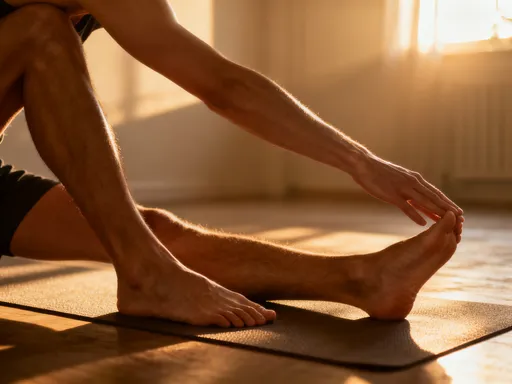
I followed a beginner-friendly routine that required only 10 minutes a day, three times a week. The sessions began with gentle movement prep: slow neck rolls, shoulder shrugs, and seated side bends to warm up the body. Then came simple static stretches—holding each position for 20 to 30 seconds without pushing into pain. I focused on major areas: hamstrings, hips, lower back, and shoulders. The movements were basic, almost underwhelming, but I stuck with them.
Within just a few days, I noticed subtle changes. My morning stiffness decreased. I didn’t need to groan when getting out of bed. I caught myself standing taller without thinking about it. One morning, I reached for something on a high shelf and realized I didn’t have to stretch awkwardly or use a stool. These small victories felt significant. They weren’t dramatic, but they showed me that my body was responding.
Another unexpected benefit was improved sleep. On days I stretched in the evening, I fell asleep faster and woke up feeling more refreshed. I also noticed a shift in my mood. The act of slowing down, focusing on my breath, and moving gently created a sense of calm I hadn’t experienced in years. It wasn’t just physical change—it was mental relief. These early wins kept me motivated. I realized progress wasn’t about how far I could stretch, but how much better I felt in my own skin.
Building a Sustainable Routine: The 4-Part Framework
To make flexibility a lasting habit, I developed a simple four-part framework that anyone can follow. This structure provides clarity, prevents injury, and ensures balanced progress. It’s designed to fit into busy schedules, requiring minimal time and no special equipment. The key is consistency, not duration. Even five focused minutes a day can lead to meaningful change over time.
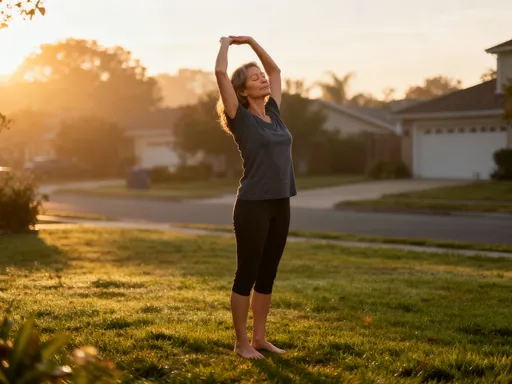
Part 1 is Daily Movement Prep. Before any stretching, it’s important to warm up the body gently. Cold muscles are more prone to strain. I start with light dynamic movements: ankle circles, wrist rotations, slow torso twists, and knee lifts. These activate the joints and increase blood flow, preparing the muscles for deeper work. This step takes just two to three minutes but makes a noticeable difference in how freely I can move into stretches.
Part 2 focuses on Static Holds. These are traditional stretches where you hold a position for a set time. I target major muscle groups: hamstrings (seated forward bend), hip flexors (low lunge), shoulders (cross-body arm stretch), and spine (cat-cow stretch). Each stretch is held for 20 to 30 seconds, with attention to steady breathing. I never push into pain—discomfort is okay, but sharp or shooting sensations mean I’ve gone too far. Over time, these holds help lengthen muscles safely and gradually.
Part 3 introduces Active Mobility Drills. Unlike passive stretching, active mobility involves moving a joint through its range using muscle control. Examples include leg swings, arm circles, and slow squats with full range of motion. These drills improve neuromuscular coordination, enhance joint stability, and build functional strength alongside flexibility. I perform them slowly, focusing on control and alignment. They bridge the gap between flexibility and real-world movement, making daily tasks easier and safer.
Part 4 emphasizes Recovery Habits. Flexibility gains happen during rest, not just during stretching. Hydration is crucial—well-hydrated muscles are more elastic and less prone to cramping. I make sure to drink water throughout the day. Deep breathing supports relaxation and reduces muscle tension. I practice diaphragmatic breathing for a few minutes after stretching, which calms the nervous system and enhances recovery. Finally, rest days are essential. I allow at least one full day off per week to let my body integrate the changes. This balanced approach prevents burnout and supports long-term progress.
Common Mistakes Beginners Make (And How to Avoid Them)
One of the most common mistakes is overstretching. Many beginners believe that more pain means more progress, but this is false. Stretching should never cause sharp or radiating pain. A mild pulling sensation is normal, but pushing too hard can lead to microtears in the muscle or connective tissue, delaying healing and increasing stiffness. The body responds best to gentle, consistent input. Learning to listen to your body—recognizing the difference between discomfort and danger—is essential for safe progress.
Another frequent error is skipping consistency. Some people stretch for 45 minutes once a week and wonder why they see no change. The body adapts to regular, repeated signals. Short daily sessions—even five minutes—are far more effective than infrequent long ones. Consistency builds cumulative effects. Think of it like watering a plant: a little every day keeps it healthy, while one heavy downpour won’t sustain it. Making stretching a daily habit, like brushing your teeth, ensures steady improvement.
Ignoring symmetry is another overlooked issue. Most people have one side of the body tighter than the other, yet they often stretch only the side that feels worse. This imbalance can lead to posture problems and joint strain over time. I make it a rule to stretch both sides equally, even if one feels looser. I also pay attention to opposing muscle groups—stretching hamstrings as well as quadriceps, for example. This creates balance and prevents compensatory patterns that can lead to injury.
Finally, many beginners neglect breath control. Holding your breath during stretching increases tension and reduces effectiveness. Breathing deeply and steadily signals the nervous system to relax, allowing muscles to release more fully. I focus on inhaling through the nose and exhaling slowly through the mouth, especially during deeper stretches. This simple practice enhances both physical and mental relaxation, making the entire experience more beneficial.
When and How to Progress: Signs Your Body Is Ready
Progress in flexibility isn’t always visible, but there are clear signs that your body is adapting. You may notice that movements feel smoother, stretches feel less intense, or you can go slightly deeper into a position without discomfort. These are positive indicators that your muscles and connective tissues are becoming more pliable. When these changes occur consistently, it’s a signal that you’re ready to progress safely.
Gradual progression means making small, intentional changes. I start by extending hold times from 30 to 45 seconds, or adding one extra repetition per stretch. I might explore a slightly deeper variation of a pose—like straightening the legs more in a forward bend—while maintaining proper form. The key is to advance slowly, never rushing into advanced positions. Patience ensures that gains are sustainable and injury-free.
Tools can support progression, but they’re optional. Foam rolling, for example, helps release muscle tightness and improve circulation. I use it on my calves, thighs, and back after stretching, applying gentle pressure and rolling slowly. It’s not painful, but it increases awareness of tension areas. Mindful breathing continues to play a role—deep, rhythmic breaths help me stay relaxed during longer holds. I also track small wins in a journal, noting improvements in posture, comfort, or range of motion. This builds motivation and reinforces commitment.
It’s important to remember that progress isn’t linear. Some days, my body feels tighter than before, and that’s normal. Factors like stress, sleep quality, and hydration affect flexibility. Instead of getting discouraged, I view these fluctuations as part of the process. The goal is long-term improvement, not daily perfection. By tuning into my body’s signals and adjusting accordingly, I stay on track without frustration.
Long-Term Benefits Beyond Touching Your Toes
The rewards of consistent flexibility practice go far beyond physical appearance or performance. One of the most significant benefits is improved posture. As my muscles became more balanced, my shoulders naturally pulled back, and my spine aligned better. I stopped slouching at my desk and found myself standing taller without effort. This not only reduced neck and back pain but also gave me a greater sense of confidence.
Another major benefit is reduced pain. Chronic stiffness in the lower back and hips—common complaints among women in their 30s and beyond—began to fade. Simple movements like bending, twisting, and getting in and out of the car became easier. I no longer dreaded long drives or sitting through meetings. My body felt more cooperative, less resistant to daily demands.
Flexibility also enhanced my confidence in physical activity. I used to avoid anything that required bending or reaching, fearing I’d pull a muscle. Now, I feel more capable and willing to try new things—gardening, dancing, playing with kids or pets. I move with greater ease and less fear of injury. This sense of freedom has enriched my life in ways I didn’t anticipate.
Perhaps the most surprising benefit is mental well-being. The slow, deliberate nature of stretching calms the nervous system. It’s a form of moving meditation—quiet time to focus on the body and breath. In a world full of constant stimulation, these moments of stillness are deeply restorative. I’ve noticed reduced anxiety, better focus, and a greater sense of inner balance. Flexibility, I’ve learned, is not just physical—it’s emotional and psychological too.
Ultimately, flexibility becomes a lifelong practice, not a quick fix. It’s about showing up for your body, honoring its needs, and nurturing its potential. It’s about reclaiming the ease of movement that many assume is lost with age. With patience, care, and consistency, anyone can build a body that moves freely and feels good doing it. The journey isn’t about perfection—it’s about presence, progress, and the quiet joy of feeling at home in your own skin.