How Dance Sports Quietly Shield Your Body from Chronic Illness
You’ve probably thought of dance as entertainment, not medicine. But what if moving to the rhythm could protect your heart, balance your blood sugar, and strengthen your immune system? I started dancing not to get fit, but to feel alive—and ended up discovering a powerful, natural way to prevent disease. It’s not magic; it’s motion. And science is now confirming what my body felt: a consistent dance practice builds resilience from the inside out. What began as a joyful escape has proven to be a profound act of self-care, one that aligns with the body’s innate need for rhythm, connection, and expressive movement. In a world where chronic illness is rising and traditional exercise often feels like a chore, dance sports offer a surprisingly effective and deeply human solution.
The Hidden Epidemic: Chronic Diseases in Modern Life
Chronic diseases such as type 2 diabetes, cardiovascular disease, and obesity have become defining health challenges of the 21st century. According to global health reports, non-communicable diseases now account for over 70% of all deaths worldwide, with lifestyle factors playing a central role. Sedentary behavior—long hours spent sitting at desks, in cars, or in front of screens—has dramatically reshaped daily movement patterns. The human body was not designed for prolonged stillness, yet modern life demands it. Without regular physical activity, metabolic processes slow, circulation weakens, and inflammation rises, creating fertile ground for long-term illness.
One of the most persistent barriers to preventing these conditions is adherence to exercise routines. Many people begin fitness programs with determination, only to abandon them within weeks. The reasons are familiar: gym sessions feel repetitive, outdoor workouts depend on weather, and structured regimens often lack emotional reward. This gap between intention and action has led health experts to explore more engaging forms of physical activity. Enter dance sports—a category of movement that blends physical exertion with emotional expression, social connection, and musical enjoyment. Unlike rigid exercise formats, dance feels less like a task and more like a celebration, increasing the likelihood of long-term participation.
What makes dance sports particularly effective is their ability to meet people where they are. Whether someone is recovering from inactivity, managing a health condition, or simply seeking a more enjoyable way to stay active, dance offers an accessible entry point. It does not require specialized equipment, a specific body type, or prior experience. A growing body of evidence suggests that when physical activity is intrinsically rewarding—something you look forward to rather than endure—it becomes sustainable. And sustainability, not intensity, is the true key to preventing chronic disease.
What Are Dance Sports—And Why Do They Work?
Dance sports encompass a wide range of structured, physically demanding dance forms that combine artistic expression with athletic performance. Examples include ballroom dancing, salsa, swing, hip-hop, aerobic dance, and line dancing. Unlike casual dancing at social events, dance sports often involve learning choreography, refining technique, and building endurance. However, they retain the emotional and creative elements that make movement feel joyful rather than obligatory. This unique blend of structure and spontaneity is what sets dance apart from conventional workouts.
From a physiological standpoint, dance is a full-body workout. It elevates heart rate, improves coordination, enhances balance, and strengthens muscles—particularly in the core, legs, and back. But what truly distinguishes dance is its integration of cognitive and emotional engagement. Learning steps, remembering sequences, and responding to music all activate the brain, creating a form of moving meditation. This mental involvement helps reinforce neural pathways, improving memory and focus over time. Unlike running on a treadmill, where the mind may wander or disengage, dance demands presence and attention, making the experience both physically and mentally enriching.
The role of music in dance cannot be overstated. Rhythm acts as a natural metronome, guiding movement and helping individuals maintain a steady pace. Studies have shown that synchronized movement to music increases dopamine release, the brain’s reward chemical, which enhances motivation and pleasure. This neurological response helps explain why people are more likely to stick with dance than with repetitive exercises. Additionally, music can lower perceived exertion—making a challenging routine feel easier—while simultaneously boosting energy and mood. The emotional resonance of a favorite song can transform a workout into a moment of personal renewal.
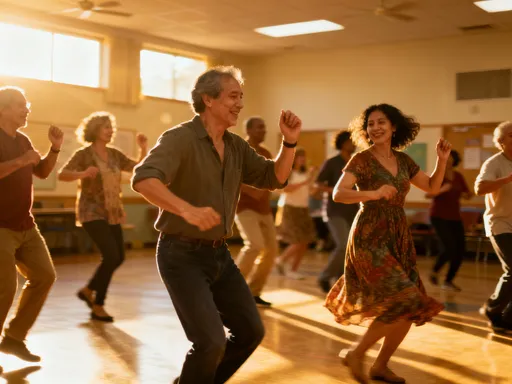
Compared to traditional gym routines, dance sports offer a more holistic approach to fitness. They do not isolate muscle groups or focus solely on calorie burn. Instead, they promote fluid, functional movement that mirrors real-life activities. This functional fitness improves posture, reduces the risk of falls, and enhances overall mobility—critical factors in long-term health. Moreover, because dance is often done in groups or social settings, it fosters connection and reduces feelings of isolation, which are increasingly recognized as risk factors for chronic illness.
Dance as a Shield: How Movement Prevents Disease
The protective effects of dance on physical health are both broad and profound. One of the most well-documented benefits is its impact on the cardiovascular system. Regular dance practice strengthens the heart muscle, improves circulation, and helps regulate blood pressure. Over time, these changes reduce the risk of heart disease, stroke, and other vascular conditions. A study published in the Journal of the American Heart Association found that adults who participated in regular dance-based exercise showed significant improvements in aerobic capacity and arterial flexibility—two key indicators of heart health.
Equally important is dance’s influence on metabolic function. Type 2 diabetes, a condition driven by insulin resistance and poor glucose control, is increasingly prevalent in sedentary populations. Dance helps counteract this by increasing muscle glucose uptake during and after movement. The rhythmic contractions of large muscle groups enhance insulin sensitivity, allowing the body to process sugar more efficiently. Research has shown that even moderate dance sessions—such as 30 minutes three times a week—can lead to measurable improvements in fasting blood glucose and HbA1c levels, markers used to monitor diabetes risk.
Another critical area is immune function. Chronic inflammation, often triggered by stress, poor diet, and inactivity, is a common thread in many long-term illnesses, including arthritis, certain cancers, and neurodegenerative diseases. Dance helps reduce systemic inflammation by lowering levels of cortisol, the primary stress hormone, and increasing the production of anti-inflammatory cytokines. Additionally, the deep breathing and rhythmic movement involved in dance support lymphatic circulation, which plays a vital role in immune defense. This means that dance doesn’t just strengthen the body’s ability to fight infection—it also creates an internal environment less conducive to disease development.
Bone and joint health also benefit from regular dance practice. Weight-bearing movements, such as stepping, turning, and shifting weight from one leg to another, stimulate bone density and improve joint lubrication. This is especially important for women over 40, who face increased risks of osteoporosis and joint degeneration. Unlike high-impact exercises that may strain joints, dance provides gentle yet effective resistance, promoting musculoskeletal resilience without excessive wear and tear. Over time, dancers often report improved posture, reduced stiffness, and greater ease in daily movement.
The Science Behind the Beat: What Research Tells Us
Scientific interest in dance as a health intervention has grown significantly in recent years. Numerous peer-reviewed studies have examined its effects on physical and cognitive well-being, yielding consistent and compelling results. A meta-analysis published in Sports Medicine reviewed over 30 clinical trials and concluded that dance-based exercise is as effective as, and in some cases more effective than, traditional aerobic training in improving cardiovascular fitness, body composition, and metabolic markers. Participants in dance programs showed greater reductions in body fat percentage and waist circumference compared to those in standard exercise groups.
One of the most striking findings is dance’s impact on brain health. Neuroimaging studies have shown that regular dancers exhibit increased gray matter volume in areas associated with memory, spatial navigation, and executive function. This structural change is linked to improved neuroplasticity—the brain’s ability to adapt and reorganize. As a result, older adults who dance regularly are at a significantly lower risk of developing dementia and cognitive decline. A long-term study from the New England Journal of Medicine found that among various physical activities, dance was the only one associated with a 76% reduced risk of dementia in participants over 75.
Beyond physical and cognitive benefits, research highlights dance’s exceptional adherence rates. In one study comparing six different exercise modalities, dance had the highest retention rate after six months—over 80% of participants continued dancing, compared to less than 50% in control groups. This suggests that enjoyment and emotional engagement are powerful drivers of consistency. When people enjoy their workouts, they are more likely to stick with them, creating a positive feedback loop where improved health fuels greater motivation.
Further evidence comes from biomarker studies. Regular dancers show lower levels of C-reactive protein (CRP), a key indicator of systemic inflammation, and improved lipid profiles, including higher HDL (good cholesterol) and lower triglycerides. These changes are directly linked to reduced risks of heart disease and stroke. Additionally, dance has been shown to improve sleep quality and reduce symptoms of anxiety and depression—factors that indirectly support physical health by reducing stress-related wear and tear on the body.
Building a Sustainable Practice: From Occasional Moves to Lifelong Habit
Starting a dance practice does not require joining a competitive team or mastering complex routines. For most people, sustainability begins with small, manageable steps. A simple 10-minute session at home, following an online video or dancing to a favorite playlist, can be the foundation of a lasting habit. The key is consistency, not duration. By integrating short bursts of movement into daily life—such as dancing while preparing dinner or during commercial breaks—individuals can gradually increase their activity level without feeling overwhelmed.
Choosing the right dance style is essential for long-term engagement. Some may be drawn to the elegance of ballroom, while others prefer the energy of hip-hop or the simplicity of line dancing. The best choice aligns with personal preferences, fitness level, and available resources. For beginners, low-impact styles such as waltz or beginner salsa are ideal, as they allow for gradual progression. Many community centers, senior centers, and fitness studios offer introductory classes tailored to different age groups and abilities, making it easier to find a supportive environment.
Motivation can be strengthened through tools like curated playlists, dance apps, and group classes. Creating a personal playlist of uplifting songs can transform a routine into a joyful ritual. Apps that guide users through choreography or track dance minutes provide structure and accountability. Group classes, whether in person or virtual, add a social dimension that enhances commitment. The shared experience of learning and moving together fosters camaraderie and mutual encouragement, reducing the isolation that often derails fitness goals.
One of the most common barriers to dancing is self-consciousness. Many adults hesitate to dance because they fear judgment or feel they “don’t dance well.” It’s important to reframe this mindset: dance is not about perfection, but about participation. Every movement counts, and every beat offers a chance to reconnect with the body. Over time, confidence grows, and the focus shifts from appearance to sensation. Embracing imperfection is part of the healing process—both physically and emotionally.
Beyond the Body: Mental and Emotional Layers of Disease Prevention
The connection between mental health and physical disease is well established. Chronic stress, anxiety, and loneliness activate the body’s fight-or-flight response, leading to elevated cortisol levels, increased inflammation, and suppressed immune function. Over time, this physiological burden contributes to the development of heart disease, diabetes, and other chronic conditions. Dance offers a natural counterbalance by engaging the parasympathetic nervous system—the body’s “rest and digest” mode—through rhythmic movement and emotional expression.
Dancing serves as a powerful emotional release. The act of moving to music allows individuals to process feelings that may be difficult to articulate verbally. Whether expressing joy, sadness, or resilience, dance provides a safe outlet for emotional energy. This release is supported by neurochemical changes: dancing increases endorphins, serotonin, and oxytocin—hormones associated with pleasure, mood regulation, and social bonding. These shifts not only improve immediate well-being but also build long-term emotional resilience, reducing the risk of stress-related illness.
Social engagement in group dance settings adds another layer of protection. Loneliness is now recognized as a public health concern, with studies linking social isolation to a 50% increased risk of dementia and a 30% higher risk of heart disease. Dance classes, social dances, and community events create opportunities for meaningful connection. Smiling, making eye contact, and moving in sync with others foster a sense of belonging and mutual support. These interactions activate mirror neurons in the brain, enhancing empathy and emotional attunement, which further strengthens mental health.
Mind-body awareness developed through dance also influences daily health choices. When individuals become more attuned to how their bodies feel, they are more likely to make nourishing decisions—choosing rest when tired, eating mindfully, or seeking help when unwell. This heightened awareness creates a feedback loop: movement improves self-perception, and better self-perception encourages healthier behaviors. In this way, dance becomes not just a physical activity, but a form of embodied wisdom.
Putting It Into Motion: A Practical Weekly Framework
For those ready to begin, a structured yet flexible plan can help build confidence and track progress. A sample four-week framework might start with three 10-minute sessions in the first week, gradually increasing to four 20-minute sessions by week four. Each session can include a warm-up (gentle stretching and stepping), a main dance segment (following a simple routine or freestyle movement), and a cool-down (slow movements and deep breathing). The goal is not intensity, but consistency and enjoyment.
Tracking subtle improvements can reinforce motivation. Rather than focusing solely on weight or fitness metrics, individuals can observe changes in energy levels, sleep quality, mood, and ease of movement. Keeping a simple journal or using a wellness app to log these shifts helps recognize progress that might otherwise go unnoticed. Over time, many report feeling more alert in the morning, less fatigued during the day, and more relaxed at night.
Integrating dance into daily life enhances sustainability. Simple practices—like dancing while waiting for the kettle to boil, using upbeat music during household chores, or having a “living room dance break” with family—turn movement into a natural part of the day. Commuting can also include movement, such as parking farther away and walking with rhythm or listening to a dance-inspired playlist. These small acts accumulate, creating a lifestyle where physical activity is not an obligation, but a joyful habit.
Before beginning any new physical activity, especially for individuals with pre-existing health conditions, consulting a healthcare provider is advisable. This ensures safety and personalization, allowing for modifications based on individual needs. Most doctors encourage moderate, enjoyable exercise as part of a preventive health strategy. With professional guidance, dance can be adapted for people with joint concerns, heart conditions, or limited mobility, ensuring that its benefits are accessible to all.
Dance sports offer more than joy—they deliver a scientifically supported, accessible path to long-term health. Unlike rigid workout plans, dance adapts to you, making disease prevention feel natural, not forced. By embracing movement as a daily ritual, not just exercise, we invest in a future where vitality lasts. The beat isn’t just music—it’s your body’s way of saying thank you.