How I Regained My Balance – A Real Talk on Systematic Rehab Training
Balance isn’t just about standing on one leg—it’s a silent guardian of everyday movement. After a minor fall made me rethink my stability, I dove into rehabilitation training with a structured approach. What I discovered wasn’t magic, but method: small, science-backed moves that rebuild control. This is not a quick fix, but a sustainable shift. If you’ve ever felt wobbly or want to move with more confidence, this journey might just be what you need.
The Moment Everything Tipped
It started with a simple misstep—one moment I was walking through my kitchen, the next I was on the floor, clutching the counter for support. No broken bones, no emergency room visit, but the emotional impact lingered far longer than the bruise on my hip. At first, I brushed it off as a fluke, a moment of inattention. But as the days passed, I noticed something unsettling: I hesitated before stepping off curbs. I gripped railings more tightly on stairs. The confidence I once had in my own body began to erode.
What surprised me most was how unaware I had been of my declining balance. Like many people, I assumed that as long as I could walk without tripping, I was fine. But balance isn’t just about avoiding falls—it’s about the subtle coordination of muscles, nerves, and sensory input that allows us to move smoothly through space. When that system starts to weaken, it often does so quietly, without warning signs until a stumble or near-fall forces us to pay attention.
The emotional toll was real. I felt frustrated, embarrassed, and, if I’m honest, a little afraid. Fear of falling isn’t irrational—it’s a natural response when your body no longer feels reliable. I worried about becoming dependent on others, about losing the independence that had always defined my daily life. That fear, more than anything, pushed me to seek answers. I knew I needed more than just rest or reassurance. I needed a real solution—one grounded in science, not shortcuts.
Why Balance Matters More Than You Think
Beyond the obvious risk of falls, balance is a foundational element of human movement, influencing everything from posture to joint health to energy efficiency. It’s not just for older adults or elite athletes—it’s essential for anyone who walks, climbs stairs, carries groceries, or plays with grandchildren. Yet, it’s often overlooked in fitness routines that prioritize strength, speed, or endurance over stability.
Balance relies on three key systems working in harmony: the vestibular system in the inner ear, which detects motion and head position; the visual system, which provides spatial orientation; and proprioception, the body’s ability to sense where its parts are in space without looking. When these systems communicate effectively, we move with fluidity and confidence. But when one or more are impaired—due to age, inactivity, or injury—the entire system falters.
Modern lifestyles contribute to this decline. Prolonged sitting, lack of varied movement, and over-reliance on supportive footwear all reduce the daily challenges that naturally train balance. Without regular stimulation, the neural pathways responsible for stability weaken, much like an unused muscle. Research shows that adults begin to lose measurable balance function as early as their 40s, and the decline accelerates with age. According to the Centers for Disease Control and Prevention, one in four adults over 65 falls each year, making falls the leading cause of injury and hospitalization in this age group.
But here’s the good news: balance is trainable at any age. Unlike some aspects of physical health that degrade irreversibly, the neuromuscular system retains plasticity, meaning it can adapt and improve with the right kind of practice. The key is not random exercise, but a systematic approach that progressively challenges and re-educates the body’s stability systems.
The Myth of “Just Get Stronger”
When people think about improving stability, the instinct is often to focus on strength. While strong muscles are important, they are only one piece of the balance puzzle. You can have powerful legs and still struggle to stand on one foot. Why? Because balance isn’t just about force production—it’s about control, timing, and coordination. A bodybuilder might lift heavy weights with ease but wobble when asked to walk a straight line with their eyes closed. This disconnect reveals a critical gap in conventional fitness thinking.
The misconception that strength alone ensures stability is widespread. Gyms are full of people building muscle through repetitive motions on stable surfaces, rarely challenging their balance systems. While these workouts improve endurance and power, they often neglect the fine motor control needed for real-world movement. Life doesn’t happen on flat, predictable surfaces. We navigate uneven sidewalks, turn our heads while walking, carry objects, and adjust to sudden shifts in terrain. These dynamic demands require proactive stability—the ability to anticipate and adapt to change—not just reactive strength.
Consider the case of a 50-year-old woman who runs regularly and does strength training twice a week. She considers herself fit, yet she trips easily on trails and feels unsteady when stepping off a bus. Her muscles are strong, but her neuromuscular coordination is underdeveloped. She hasn’t trained her body to respond to unpredictable shifts in balance. This is where rehabilitation differs from general exercise: it doesn’t just build capacity; it rebuilds communication between the brain and body.
The solution isn’t to abandon strength training, but to integrate it with purposeful balance work. True stability comes from the synergy of strength, sensory awareness, and motor control. Without all three, even the strongest individuals remain vulnerable to missteps and falls.
Building a Systematic Approach to Rehab Training
Rehabilitation for balance isn’t about random exercises thrown together in hopes of improvement. It’s a deliberate, structured process designed to retrain the body’s stability systems in a safe and progressive way. The word “systematic” is key: it means starting where you are, advancing at the right pace, and ensuring each step builds a solid foundation for the next. This approach is rooted in the principles of neuromuscular re-education—helping the brain and body relearn how to work together efficiently.
A systematic program rests on four pillars: awareness, control, challenge, and integration. Awareness begins with tuning into your body’s signals—noticing how your weight shifts, where tension builds, and how your posture changes during movement. Without this internal feedback, progress is guesswork. Control follows, focusing on precise, intentional movements that strengthen the connection between thought and action. Challenge introduces progressively harder tasks that push your limits without overwhelming them. Finally, integration ensures that the skills learned in practice transfer to real-life situations, like walking on icy sidewalks or reaching for a high shelf.
Unlike general fitness, rehab training is highly individualized. What works for one person may not be appropriate for another, especially if there are underlying conditions like joint pain, neurological issues, or previous injuries. This is why professional guidance is crucial. A physical therapist or certified rehabilitation specialist can assess your specific needs, identify weaknesses, and design a program tailored to your goals and limitations.
Consistency is equally important. Balance improvements don’t come from occasional intense sessions, but from regular, mindful practice. Just as learning a language requires daily exposure, retraining your balance system demands repetition. The good news? These exercises don’t need to take hours. Even two to five minutes a day, done with focus, can yield meaningful results over time.
The Training Breakdown: What Actually Works
A well-structured balance rehab program unfolds in phases, each building on the last. The goal is not to rush through but to master each level before progressing. This phased approach ensures safety, prevents frustration, and allows the nervous system to adapt gradually.
Phase 1, Grounding, focuses on reconnecting with your base of support. It starts with simple exercises like standing with feet hip-width apart and noticing how weight distributes across the soles. Weight shifting—gently rolling from heels to toes and side to side—helps develop awareness of balance adjustments. The tandem stance, where one foot is placed directly in front of the other, heel to toe, challenges alignment and introduces mild instability. These movements may seem basic, but they lay the neural groundwork for more complex tasks.
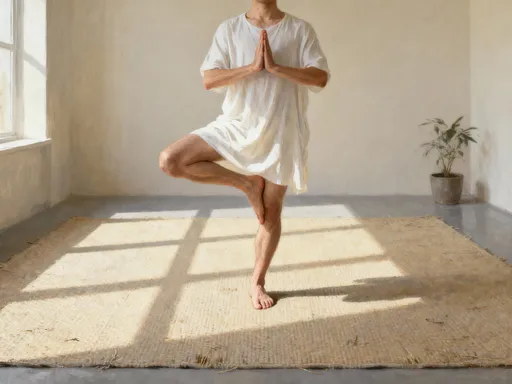
Phase 2, Controlled Movement, increases the demand on stability. Single-leg stands are introduced, starting with support from a wall or counter and gradually reducing assistance. Heel-to-toe walking along a straight line improves coordination and foot placement. Eyes-closed drills, even for just a few seconds, heighten reliance on proprioception by removing visual input. These exercises train the body to maintain balance under slightly more challenging conditions, reinforcing the brain’s ability to process non-visual cues.
Phase 3, Dynamic Challenge, introduces variability to simulate real-world unpredictability. Standing on unstable surfaces like foam pads or folded pillows forces constant micro-adjustments, strengthening the small stabilizing muscles in the feet and ankles. Adding head turns while balancing challenges the vestibular system. Multi-tasking exercises, such as counting backward while standing on one leg, engage cognitive control, which is essential for maintaining balance during everyday distractions.
Phase 4, Real-World Integration, bridges the gap between practice and life. This phase includes navigating stairs with proper form, stepping over obstacles, walking on uneven ground, and carrying objects while moving. The goal is to make improved balance automatic, so it functions without conscious effort. Progress can be tracked through simple measures: how long you can stand on one leg, whether you feel more confident on curbs, or if you no longer need to hold the railing on stairs. These small wins are powerful indicators of real change.
The Role of Mindset and Consistency
Physical training is only half the battle. The mental component of balance rehabilitation is just as critical. Progress is rarely linear. There will be days when you feel stronger and more stable, and others when you regress, perhaps due to fatigue, stress, or minor illness. Impatience and frustration are common, especially when results aren’t immediate. But expecting rapid transformation sets you up for disappointment.
Balance is a skill, not a strength. Like learning to play an instrument or drive a car, it requires repetition and time. The nervous system needs consistent input to form new pathways. Rushing the process can lead to compensation—using stronger muscles to mask instability rather than correcting the root issue. This might look like improvement in the short term but increases the risk of injury over time.
Managing frustration starts with realistic expectations. Celebrate small victories: holding a single-leg stand for five seconds longer, walking without grabbing the wall, or simply noticing your posture has improved. These moments matter. Equally important is the practice of body listening—pausing to notice how you feel during and after exercises. Are your shoulders relaxed? Is your breathing steady? This mindfulness strengthens the mind-body connection, making training more effective.
Daily micro-practices are the secret to long-term success. You don’t need a gym or special equipment. While brushing your teeth, try standing on one foot. While waiting for the kettle to boil, shift your weight side to side. These brief moments add up, reinforcing stability throughout the day. Over time, what once required focus becomes second nature.
Beyond the Individual: Creating a Safer, More Stable Life
The benefits of improved balance extend far beyond fall prevention. Better stability enhances posture, reducing strain on the back and joints. It increases confidence in movement, making daily activities feel easier and more enjoyable. People who engage in balance training often report better sleep, likely due to reduced physical tension and improved body awareness. Even simple acts like getting out of a chair or turning in bed become smoother and less effortful.
There’s also a ripple effect on overall health. With greater stability, people are more likely to stay active, whether walking, gardening, or playing with grandchildren. Activity, in turn, supports cardiovascular health, joint function, and mental well-being. This positive feedback loop can transform quality of life, especially as we age.
Yet, balance training remains under-prioritized in mainstream health conversations. Most people wait until after a fall to address it, when prevention would have been far more effective. Shifting this mindset—toward proactive, lifelong stability—is essential. Just as we brush our teeth daily to prevent cavities, we should engage in regular balance practice to maintain mobility.
Creating a culture of stability starts with awareness. Sharing experiences, encouraging loved ones to try simple exercises, and normalizing balance work as part of routine health care can make a difference. It’s not about achieving perfection; it’s about building resilience. And resilience, more than any single physical trait, defines how well we move through life.
Balanced living isn’t a destination. It’s a continuous practice, shaped by daily choices and small commitments. The body adapts to what it’s asked to do. If we never challenge our stability, it will fade. But if we give it attention, even in small doses, it will respond. That responsiveness is a gift—one that supports independence, confidence, and freedom of movement for years to come.
Balanced living isn’t a destination. It’s a continuous practice, shaped by daily choices and small commitments. The body adapts to what it’s asked to do. If we never challenge our stability, it will fade. But if we give it attention, even in small doses, it will respond. That responsiveness is a gift—one that supports independence, confidence, and freedom of movement for years to come.