How I Finally Took Control: My Real Journey to Quit Smoking and Drink Less with Simple Daily Moves
Quitting smoking and cutting back on alcohol isn’t just about willpower—it’s about replacing old habits with better ones. I struggled for years, trying quick fixes that never lasted. What finally worked? A daily exercise routine that changed my body and mind. This isn’t a magic solution, but it’s real, doable, and backed by science. Let me walk you through how movement became my secret weapon for lasting change. It wasn’t dramatic or overnight, but over time, small shifts added up to a transformation I never thought possible. And the best part? You don’t need special equipment, a gym membership, or hours a day. Just a willingness to move—and to believe that change is possible.
The Breaking Point: When Habits Hit Hard
It wasn’t one big moment that made me realize I’d lost control—it was a series of small ones. I remember waking up one morning after a night of drinking, not even remembering how many glasses I’d had, and reaching for a cigarette before I’d even brushed my teeth. That used to be normal. But that morning, I looked in the mirror and barely recognized the person staring back. I felt sluggish, anxious, and disconnected from myself. I had tried quitting before—cold turkey, nicotine patches, cutting out alcohol for a week—only to fall back into the same patterns when stress hit. The truth was, I wasn’t just addicted to the substances; I was dependent on the rituals they provided. Smoking was my pause button during a busy day. Alcohol was my reward after a long week. These habits weren’t just physical—they were emotional crutches.
My triggers were predictable: work stress, late nights with friends, moments of loneliness. Social gatherings always meant drinks, and every drink was paired with a cigarette. Boredom was just as dangerous—sitting at home, scrolling through my phone, and reaching for a smoke without even thinking. I tried willpower alone, but it never lasted. I’d go a few days without smoking, only to light up again after an argument or a bad day. I tried nicotine gum, but it didn’t address the deeper need—the urge to do something with my hands, to pause and breathe. The cold turkey method left me irritable and restless. Guilt only made it worse. I began to believe I was weak, that I lacked discipline. But over time, I realized the problem wasn’t me—it was the approach. I was trying to remove something without putting something better in its place.
What I didn’t understand then was the difference between physical addiction and emotional dependence. Yes, nicotine is highly addictive, and alcohol affects brain chemistry. But the real challenge was the emotional loop: stress leads to craving, craving leads to use, use leads to temporary relief, and then the cycle repeats. I needed a new response to that loop—one that didn’t involve smoke or alcohol. That’s when I started to explore alternatives, not just to quit, but to replace. I wasn’t looking for punishment or deprivation. I wanted a healthier ritual, something that made me feel good in a sustainable way. That’s when I turned to movement—not as a punishment for my habits, but as a gift to myself.
Why Exercise Works When Nothing Else Did
Exercise didn’t seem like the obvious answer at first. I associated it with weight loss or fitness goals, not addiction recovery. But the more I read, the more I saw a pattern: physical activity helps regulate the very systems that smoking and drinking disrupt. When you exercise, your brain releases endorphins and dopamine—natural chemicals that improve mood and reduce pain. These are the same chemicals that nicotine and alcohol artificially stimulate. Over time, regular movement helps your brain recalibrate, reducing the need for external substances to feel balanced. It’s not about replacing one high with another; it’s about restoring your body’s natural ability to feel calm and content.
One of the most powerful effects of exercise is its impact on stress. Chronic stress increases cortisol, the so-called “stress hormone,” which can trigger cravings. Physical activity lowers cortisol levels and activates the parasympathetic nervous system, which helps your body relax. This means that when you’re less stressed, you’re less likely to reach for a cigarette or a drink as a coping mechanism. Studies have shown that even moderate exercise, like a 20-minute walk, can reduce cravings for nicotine and alcohol. The effect isn’t temporary—over time, regular movement builds resilience. You start to handle stress differently, not by escaping it, but by moving through it.
Compared to other methods, exercise offers something unique: long-term balance. Patches and gum address the physical craving, but they don’t change your habits or emotional patterns. Cold turkey can work, but it often leads to relapse because the underlying triggers remain. Exercise, on the other hand, works on multiple levels—physical, emotional, and psychological. It gives you a new routine, a new way to respond to stress, and a sense of accomplishment. And the best part? You don’t need to run marathons or spend hours in the gym. Research shows that even light to moderate activity, done consistently, can significantly improve outcomes in addiction recovery programs. The key isn’t intensity—it’s consistency. A daily walk, a short stretch, or a few minutes of dancing in your living room can make a real difference.
Building the Right Routine: Small Steps, Big Shifts
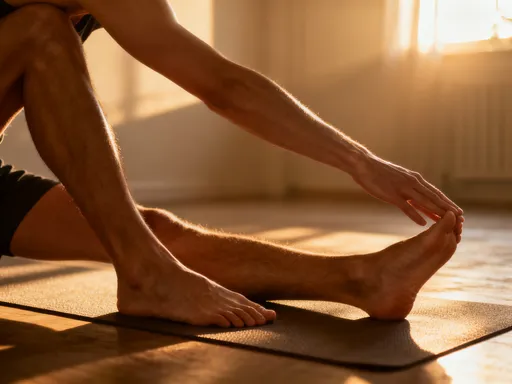
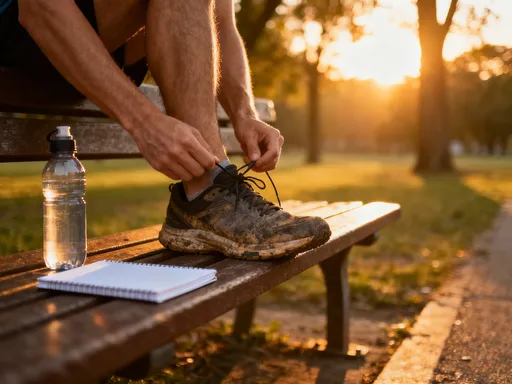
I started small—too small, I thought, to make any real change. Just ten minutes a day. A walk around the block, some gentle stretching in the morning, or a few minutes on a stationary bike while watching the news. At first, it felt almost pointless. How could ten minutes undo years of habit? But I stuck with it, not because I believed it would work, but because it was manageable. I didn’t have to convince myself to do something hard. I just had to show up. And slowly, those ten minutes became twenty, then thirty. The habit grew not because I forced it, but because it started to feel good. I began to look forward to that quiet time, that moment of movement and breath.
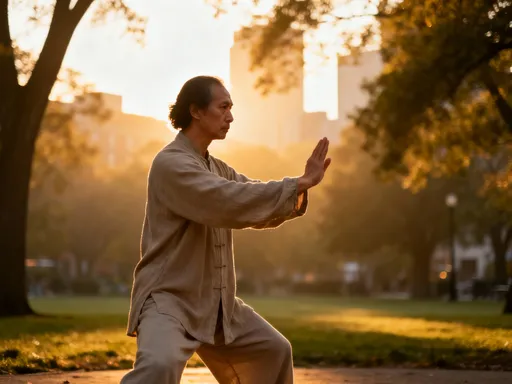
One thing that helped was matching the type of exercise to my mood. On calm days, I’d go for a walk in the park, listening to birds or the rustle of leaves. On high-stress days, I’d do something more active—brisk walking, light jogging, or even shadowboxing in my living room. I learned that movement didn’t have to look a certain way. It wasn’t about performance or appearance. It was about how it made me feel. On days when I felt overwhelmed, just moving my body—any way I could—helped clear my mind. I stopped judging myself for not doing enough and started celebrating that I had done something.
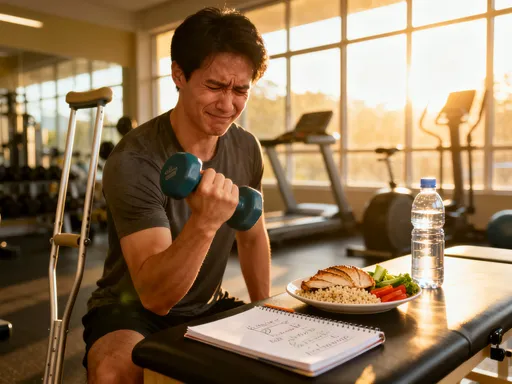
To build consistency, I used habit stacking—linking the new behavior to an existing one. I’d stretch while my coffee brewed. I’d take a walk right after dinner. I’d do a few shoulder rolls while brushing my teeth. These tiny connections made the new habit easier to remember and harder to skip. I also stopped using complicated apps or fitness trackers. Instead, I kept a simple paper log, marking each day I moved with a checkmark. No pressure to hit a step count or burn a certain number of calories. Just a visual reminder that I was showing up for myself. That small record became a source of quiet pride.
How Movement Changed My Relationship with Smoking and Alcohol
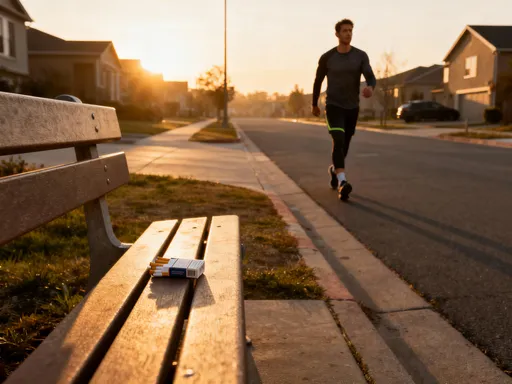
One of the first things I noticed was how different smoking felt after a workout. I’d go for a walk, come back feeling clear-headed and energized, and the idea of lighting a cigarette suddenly seemed absurd. It wasn’t just the physical discomfort—the cough, the shortness of breath—it was the mental shift. I didn’t want to undo the good feeling I’d just earned. That sense of ownership over my body grew stronger over time. I started to think, “I worked for this energy. I’m not going to ruin it.” That mindset replaced guilt with self-respect.
The same thing happened with alcohol. I didn’t set out to quit drinking completely, but I naturally started drinking less. I realized I wanted to feel good the next morning—clear-headed, rested, ready for the day. If I knew I had a walk planned or wanted to do some stretching, I didn’t want to wake up sluggish. I began to see alcohol not as a reward, but as something that could take away the energy I was working to build. I still enjoyed a drink occasionally, but it was a choice, not a habit. And when I did drink, I was more aware of how much and how it made me feel.
Better sleep and more energy reinforced these changes. As I moved more, I slept deeper and woke up more refreshed. That positive feedback loop made it easier to keep going. I had more patience, more focus, more joy in simple things. And mentally, I felt stronger. The shame and self-criticism that used to follow every slip-up began to fade. Instead of beating myself up, I learned to be kind. I started to see setbacks as part of the process, not proof of failure. Confidence grew in place of shame. I wasn’t just quitting things—I was gaining something: a sense of control, a deeper connection to my body, and a quiet pride in my progress.
The Science Behind the Shift: Body and Brain Benefits
What happens in the body during exercise is nothing short of remarkable. When you move, your brain releases endorphins, which reduce pain and boost mood. At the same time, cortisol levels drop, helping you feel calmer. Over time, regular physical activity supports neural rewiring—the brain’s ability to form new, healthier habits. This is especially important in recovery, where old pathways linked to smoking and drinking need to be replaced. Exercise doesn’t erase those pathways, but it strengthens new ones, making it easier to choose differently.
One of the most noticeable physical changes was in my lung capacity. As I walked more and my stamina improved, I became more aware of how smoking affected my breathing. Even one cigarette would leave me coughing or feeling short of breath the next day. My body began to reject it naturally. I didn’t need to force myself to quit—I simply didn’t want to undo the progress I’d made. This wasn’t about willpower; it was about alignment. My body was adapting to a healthier state, and smoking no longer fit.
Exercise also supported liver health and alcohol recovery. The liver processes alcohol, and chronic drinking can impair its function. Physical activity improves blood flow, reduces inflammation, and supports overall metabolic health. While exercise isn’t a cure for alcohol dependence, it creates conditions that make moderation more sustainable. I found that when I was active, I had a lower tolerance for alcohol and a higher awareness of its effects. I didn’t need as much to feel relaxed, and I noticed the negative effects more quickly.
Research supports this approach. Multiple studies have shown that individuals who include regular exercise in addiction recovery programs have higher success rates and lower relapse rates. Exercise is now recognized as a valuable tool in behavioral health, not just for physical fitness, but for emotional regulation and cognitive resilience. It’s not a standalone solution, but it’s a powerful complement to other strategies. When combined with counseling, support groups, or medical treatment, movement can significantly enhance outcomes.
Making It Stick: Real-Life Adjustments and Mindset Shifts
No journey is perfect, and mine had setbacks. There were days I skipped exercise, nights I had too much to drink, moments I lit a cigarette out of habit. But what changed was how I responded. Instead of giving up, I learned to reset. I’d tell myself, “That was one moment. The next choice is mine.” I stopped seeing relapse as failure and started seeing it as feedback. Maybe I was tired, stressed, or hadn’t planned ahead. That awareness helped me prepare better next time. I kept a list of quick stress-relief moves—deep breathing, a five-minute walk, a glass of water—so I’d have alternatives ready.
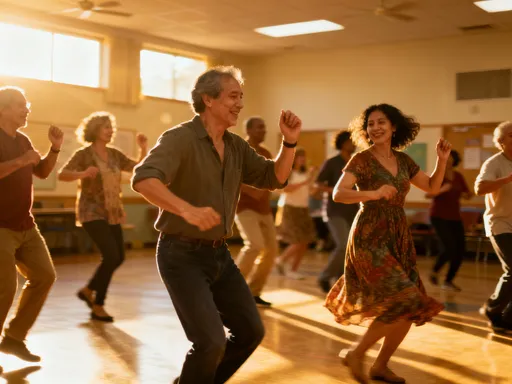
I also learned to find joy in movement. It wasn’t just about discipline—it was about pleasure. I started dancing while cooking, taking weekend hikes, or joining casual community walks. I discovered that movement could be social and fun, not just a chore. When friends invited me out, I still went, but I didn’t feel pressured to drink. I’d order sparkling water with lime or a mocktail and feel confident in my choice. Saying no became easier because I knew my reasons were strong. I wasn’t depriving myself—I was choosing something better.
I replaced old rewards with new ones. Instead of celebrating a tough week with drinks, I’d treat myself to a post-workout smoothie, a new water bottle, or a rest day with a good book. These small pleasures reinforced the new habits. I also sought out supportive environments—parks, community centers, online groups where people shared similar goals. Being around others who valued health made it easier to stay on track. And when I needed more support, I didn’t hesitate to reach out to a counselor or doctor. There’s no shame in asking for help. In fact, it’s one of the strongest things you can do.
Your Path Forward: A Practical Plan to Start Today
If you’re ready to begin, here’s a simple, step-by-step plan for the first 30 days. In week one, commit to just 10 minutes of movement each day. It can be walking, stretching, or light yoga. Do it at the same time each day to build consistency—after breakfast, during lunch, or before bed. Use habit stacking: pair it with something you already do, like making tea or watching the evening news. Keep a simple log—just a checkmark for each day you move.
In week two, increase to 15–20 minutes. Try different types of movement to see what feels best. Notice how your mood and energy change. In week three, aim for 25–30 minutes most days. Add in one day of rest or gentle stretching. By week four, you’ll likely notice shifts—not just in your body, but in your choices. You might find you’re less interested in smoking or drinking, or that you sleep better. That’s the momentum building.
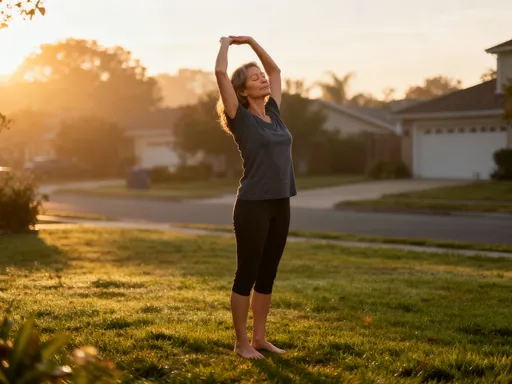
Create a sample daily schedule: wake up, stretch for five minutes, walk for 15 after dinner, do a few shoulder rolls while brushing your teeth. Keep it simple. Choose safe, supportive environments—your backyard, a local park, a quiet street. If possible, find a walking buddy or join a low-pressure group. And remember, professional help is always an option. If you’re struggling with addiction, talk to your doctor or a licensed counselor. Support groups can also provide connection and accountability.
Conclusion
This journey wasn’t about perfection—it was about progress. Exercise didn’t just improve my health; it gave me back control. By focusing on what I could add instead of what I had to lose, the changes stuck. You don’t need extreme measures. Start small, stay consistent, and let movement become your foundation for a clearer, stronger life. The power to change was inside you all along—now it’s time to move toward it.