How Exercise Transformed My Hair Care Routine — For Real
You’ve probably never linked your workout routine to your hair health — I didn’t either, until I started noticing real changes. Thicker strands, less shedding, and a healthier scalp — all after fixing my movement habits. It’s not magic; it’s science. Turns out, blood flow, stress levels, and hormone balance play major roles in how your hair grows. This is a comprehensive look at how simple, consistent exercise techniques can become a powerful part of your beauty care journey — no gimmicks, just real results.
The Hidden Connection Between Movement and Hair Health
At first glance, physical activity and hair growth may seem unrelated. One happens in the gym or on a walking trail; the other unfolds silently at the roots beneath your scalp. Yet modern science reveals a clear and measurable connection between movement and hair health. The key lies in circulation. Every strand of hair grows from a follicle — a tiny, living structure that depends on a steady supply of oxygen and nutrients delivered through the bloodstream. When you move your body, especially through rhythmic or sustained physical effort, your heart pumps more efficiently, increasing blood flow throughout the body, including the scalp.
This enhanced circulation does more than just deliver fuel — it supports the entire life cycle of a hair follicle. Hair grows in phases: an active growth phase (anagen), a transitional phase (catagen), and a resting phase (telogen), after which the strand eventually sheds. Improved blood flow helps extend the anagen phase, meaning each hair stays in its growth phase longer. At the same time, better circulation aids in removing metabolic waste products from the follicle environment, reducing inflammation and creating optimal conditions for healthy regrowth. Studies have shown that individuals with improved cardiovascular function often experience stronger, more resilient hair over time.
It’s important to clarify that exercise is not a miracle cure for hair loss or thinning. It won’t reverse genetic balding or repair damage caused by harsh chemical treatments overnight. Instead, it functions as a long-term support system — a foundational habit that enhances the body’s natural ability to maintain healthy hair. Think of it like tending a garden: you can apply the finest topical treatments (fertilizers), but if the soil is poor and the roots aren’t nourished, growth will remain weak. Movement improves the quality of the internal “soil” where your hair grows.
Additionally, regular physical activity promotes cellular regeneration, not just in muscles and organs, but in skin and scalp tissue as well. The scalp is an extension of the skin, and like all skin, it benefits from increased oxygenation and nutrient delivery. Over time, consistent movement supports the turnover of skin cells, preventing clogged follicles and promoting a cleaner, more balanced scalp environment. This is particularly valuable for women in their 30s to 50s, who may face changes in hair texture and density due to hormonal shifts, stress, or aging. Movement becomes a quiet but powerful ally in preserving hair vitality.
Why Scalp Health Starts from Within
Many women focus on external solutions when addressing hair concerns — shampoos, serums, supplements, or salon treatments. While these can play a supportive role, they often miss the root cause. True scalp health begins deep inside the body, influenced by systemic factors such as inflammation, hormonal balance, and metabolic function. These internal conditions shape the environment in which hair follicles live and grow. If the body is under chronic stress or experiencing hormonal imbalances, even the most expensive hair products may fail to deliver lasting results.
One of the most significant internal disruptors of hair health is chronic inflammation. Inflammation is the body’s natural response to injury or infection, but when it becomes persistent — due to poor diet, lack of sleep, or ongoing stress — it can negatively impact hair growth. Inflammatory markers in the bloodstream have been linked to conditions like alopecia areata and chronic telogen effluvium, where hair enters the shedding phase prematurely. Exercise has been shown to reduce systemic inflammation by lowering levels of pro-inflammatory cytokines and increasing the production of anti-inflammatory molecules. This calming effect on the immune system helps create a more favorable environment for hair regrowth.
Hormonal balance is another critical factor. Hormones such as cortisol, insulin, estrogen, and testosterone all influence hair growth cycles. Elevated cortisol, the primary stress hormone, is particularly damaging. High cortisol levels over time can shorten the anagen phase, leading to increased shedding. Insulin resistance, often associated with weight gain and metabolic syndrome, can also disrupt hormone balance and contribute to hair thinning, especially in women with polycystic ovary syndrome (PCOS). Physical activity helps regulate both cortisol and insulin. Aerobic and resistance training improve insulin sensitivity, allowing the body to manage blood sugar more effectively. They also help modulate cortisol, especially when paired with adequate recovery and mindful movement practices.
The message is clear: topical care alone cannot compensate for internal imbalances. A shampoo may cleanse the scalp, but it cannot lower inflammation or reset hormone levels. That requires lifestyle-level changes — and exercise is one of the most accessible and effective tools available. By addressing the body’s internal environment, movement supports hair health at the foundational level. It’s not about replacing your haircare routine; it’s about enhancing it with a deeper layer of support. When you combine external care with internal wellness, you give your hair the best possible chance to thrive.
Cardio: The Blood Flow Booster Your Hair Needs
Among all forms of exercise, cardiovascular activity has one of the most direct effects on hair health. Cardio — short for cardiovascular exercise — includes any rhythmic, sustained physical activity that raises your heart rate and improves circulation. The benefit for your hair lies in the increased blood flow that results from regular cardio. As your heart pumps more forcefully, blood travels faster and more efficiently through your arteries and capillaries, delivering oxygen and nutrients to tissues throughout the body — including the scalp.
Research has shown that even moderate aerobic exercise can significantly improve microcirculation in the skin and scalp. This means more oxygen reaches the hair follicles, supporting their metabolic activity and promoting healthier growth. Additionally, improved circulation helps flush out toxins and waste products that can accumulate around follicles and contribute to inflammation or clogging. Over time, this leads to a cleaner, more active scalp environment — one that’s primed for stronger, thicker hair.
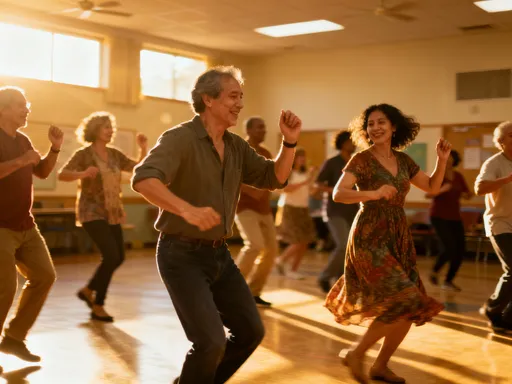
The good news is that you don’t need to run marathons or spend hours on a treadmill to reap these benefits. The U.S. Department of Health and Human Services recommends at least 150 minutes of moderate-intensity aerobic activity per week for adults — a guideline that’s both achievable and sustainable. Brisk walking, for example, is an excellent form of cardio that requires no special equipment and can be done almost anywhere. A 30-minute walk five days a week not only supports heart health but also enhances scalp circulation. Other accessible options include cycling, dancing, swimming, or even gardening with purposeful movement.
For women in their 30s to 50s, many of whom juggle work, family, and household responsibilities, fitting in cardio doesn’t have to mean overhauling your schedule. It can be as simple as parking farther from the store, taking the stairs instead of the elevator, or doing a 10-minute dance break while dinner cooks. These small bursts of movement add up. What matters most is consistency — not intensity. Over time, regular cardio becomes a silent partner in your haircare routine, working behind the scenes to nourish your follicles from within.
Strength Training: More Than Muscles — It’s Hormone Balance
While cardio gets much of the attention when it comes to health and fitness, strength training plays an equally important — and often overlooked — role in supporting hair health. Resistance exercises, such as lifting weights, using resistance bands, or performing bodyweight movements like squats and push-ups, do far more than build muscle. They influence the body’s hormonal environment in ways that directly benefit hair growth.
One of the key benefits of strength training is its ability to stabilize hormones that affect hair thinning. As women age, especially during perimenopause and menopause, hormonal fluctuations can lead to changes in hair density and texture. Strength training helps regulate insulin and cortisol levels, both of which, when elevated, can contribute to hair loss. By improving insulin sensitivity, resistance exercise reduces the risk of insulin resistance, a condition linked to hormonal imbalances and inflammation. It also helps the body manage stress more effectively by reducing baseline cortisol levels over time.
Muscle mass itself plays a role in metabolic health. The more lean muscle you have, the more efficiently your body burns calories, even at rest. This improved metabolic function supports overall hormonal balance, which in turn benefits skin and hair. Studies have shown that women who engage in regular strength training report not only improved body composition but also better skin tone and hair quality — likely due to enhanced circulation, reduced inflammation, and more stable hormone levels.
For those new to strength training, the idea of lifting weights can feel intimidating. But beginner-friendly routines are easy to start and require minimal equipment. A simple plan might include bodyweight squats, wall push-ups, glute bridges, and resistance band rows — all performed two to three times per week. Each session can last as little as 20 to 30 minutes. The goal is not to bulk up, but to build functional strength and support long-term health. As you develop muscle, you’re also building a stronger internal foundation for healthy hair. It’s a holistic benefit — one that extends far beyond appearance.
Yoga and Mind-Body Movement: Taming Stress for Stronger Strands
Stress is one of the most underestimated yet powerful factors in hair health. Chronic stress triggers the release of cortisol, which, when sustained over time, can disrupt the hair growth cycle. This often leads to a condition known as telogen effluvium, where a large number of hair follicles enter the resting phase simultaneously, resulting in noticeable shedding several months later. Many women report sudden hair loss after a stressful life event — a divorce, job change, illness, or family crisis. While the shedding may seem sudden, it’s usually the delayed effect of prolonged internal stress.
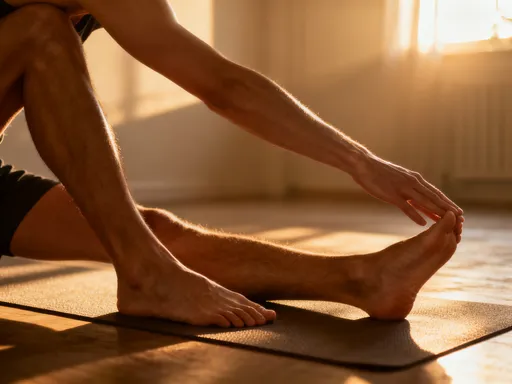
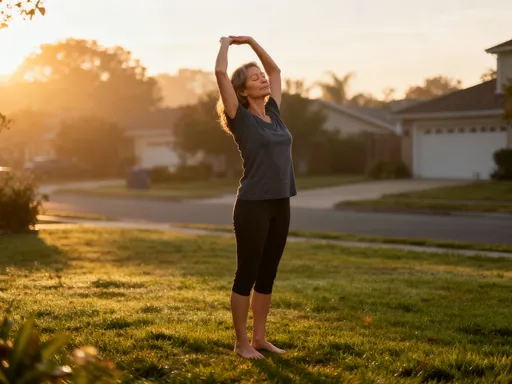
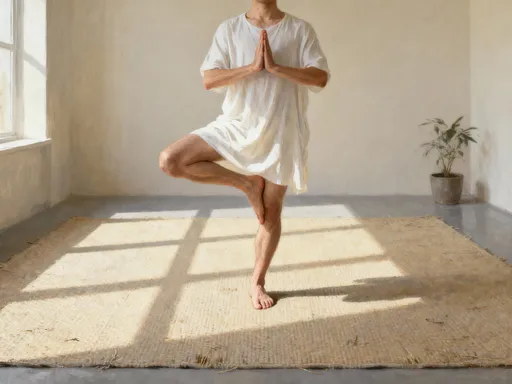
This is where mind-body practices like yoga become invaluable. Yoga combines physical postures, controlled breathing, and mindfulness to reduce stress and promote relaxation. Certain yoga poses, in particular, are believed to increase blood flow to the head and scalp. Inversions such as downward-facing dog, legs-up-the-wall pose, and supported shoulder stand gently reverse the effects of gravity, encouraging circulation to the upper body and scalp. While these poses should be practiced with care — especially for those with high blood pressure or neck issues — they can provide a gentle boost to follicle nourishment.
Beyond the physical postures, yoga’s emphasis on breathwork (pranayama) and meditation helps regulate the nervous system. Deep, rhythmic breathing activates the parasympathetic nervous system — the body’s “rest and digest” mode — which counteracts the “fight or flight” response driven by chronic stress. When the body shifts into this relaxed state, cortisol levels begin to decline, creating a more favorable environment for hair regrowth. Even just 10 to 15 minutes of daily breathing exercises or gentle stretching can make a meaningful difference over time.
For busy women managing households and careers, yoga offers a dual benefit: it supports physical health while also providing emotional relief. It’s not about achieving perfect poses or spending hours on the mat. It’s about creating moments of stillness and self-care that restore balance — both mentally and physically. When stress is managed effectively, the body can redirect its energy toward healing and regeneration, including the repair of hair follicles. In this way, yoga becomes more than exercise; it becomes a form of self-nourishment that radiates outward, from the mind to the body — and yes, even to the hair.
Common Mistakes That Undermine Results
While exercise can be a powerful ally for hair health, certain habits can unintentionally counteract its benefits. One of the most common pitfalls is overtraining. Pushing the body too hard, too often, without adequate recovery, can lead to hormonal imbalances — particularly elevated cortisol and disrupted thyroid function — both of which are linked to hair loss. Intense, prolonged workouts without rest days can create a state of chronic stress in the body, negating the very benefits you’re trying to achieve. Balance is key: movement should energize, not exhaust.
Another often-overlooked issue is post-workout hygiene. When sweat sits on the scalp for extended periods, it can mix with oils and bacteria, leading to clogged follicles and irritation. This is especially true for women who wear tight hairstyles or hats during exercise. To prevent this, it’s important to cleanse the scalp after intense workouts. A simple rinse with water or a gentle shampoo can remove sweat and debris, keeping the follicles clear. If daily washing isn’t practical, using a scalp mist or dry shampoo can help maintain cleanliness between washes.
Sleep and recovery are equally critical. Hair regeneration occurs primarily during deep sleep, when the body repairs tissues and balances hormones. Skimping on rest — whether due to late-night chores, screen time, or stress — can impair this process. Exercise should be paired with consistent sleep patterns and rest days to allow the body to recover fully. A weekly schedule that includes at least one or two rest days supports long-term progress and prevents burnout. Remember, the goal is sustainable, lifelong habits — not short-term extremes.
Putting It All Together: A Realistic Weekly Plan
The most effective approach to supporting hair health through exercise is a balanced, consistent routine that combines cardio, strength training, and mind-body practices. You don’t need to spend hours in the gym or adopt extreme fitness regimens. Small, intentional movements done regularly yield better long-term results than sporadic, intense efforts. The key is integration — making movement a natural part of your daily life.
A realistic weekly plan might look like this: three days of moderate cardio, such as 30-minute brisk walks or dance sessions; two days of strength training, focusing on full-body movements with bodyweight or light dumbbells; and three to four sessions of yoga or stretching, including breathwork. These don’t need to be long — even 15 to 20 minutes can be effective. One rest day should be scheduled to allow for recovery, with light activity like gentle walking or stretching encouraged on other days as desired.
For example, Monday could begin with a morning walk, followed by a short yoga session in the evening. Tuesday might include a bodyweight strength routine at home. Wednesday could feature a dance-based cardio video, while Thursday returns to yoga with a focus on relaxation. Friday combines a longer walk with light resistance bands, and the weekend allows for flexibility — perhaps a family bike ride or a restorative yoga class. This kind of rhythm keeps the routine varied, enjoyable, and sustainable.
It’s important to emphasize patience. Changes in hair health typically take time — often two to three months — to become visible. Unlike topical treatments that may offer immediate cosmetic improvements, the benefits of exercise are gradual and cumulative. You may first notice less shedding, then improved texture, and eventually increased thickness. These changes reflect deeper internal healing, not just surface-level results. By staying consistent, you’re not just investing in your hair — you’re investing in your overall well-being.
Exercise isn’t just about how you look on the outside — it reshapes your body’s internal environment, creating the ideal conditions for healthy hair growth. By treating movement as a core part of your beauty care routine, you’re investing in lasting change. It’s not about perfection, but consistency. When you move your body with intention, your hair — and overall well-being — will thank you. Always consult a healthcare provider before starting any new fitness regimen, especially if dealing with underlying health concerns.