Sweat It Out: How Exercise Transformed My Hair Care Routine
Ever noticed your hair feels stronger and looks shinier after a good workout? I didn’t either—until I started connecting the dots between my fitness habits and hair health. Turns out, breaking a sweat does more than tone muscles; it boosts circulation, balances hormones, and supports healthier hair growth from within. This isn’t magic—it’s science. While most hair care routines focus on shampoos, serums, and treatments, the real transformation often begins beneath the surface. Regular physical activity quietly becomes one of the most effective, natural allies in your hair care journey, working behind the scenes to create stronger roots, reduce shedding, and enhance overall vitality. This article explores how movement can become a cornerstone of beautiful, resilient hair.
The Hidden Link Between Exercise and Hair Health
For years, many of us have approached hair care as a purely external effort—selecting the right shampoo, applying conditioners, and avoiding heat damage. Yet, increasingly, experts in dermatology and holistic wellness emphasize that true hair health begins from within. One of the most overlooked internal factors? Regular physical activity. While it may not seem obvious at first, the connection between exercise and hair vitality is both real and scientifically supported. Movement influences the very systems that support hair growth: circulation, hormonal balance, and stress regulation. When these systems function optimally, hair follicles receive the nourishment and stability they need to thrive.
Consider this: the scalp is an extension of the skin, rich in blood vessels and sensitive to internal changes. Just as poor diet or chronic stress can lead to dull, brittle strands, so too can a sedentary lifestyle contribute to weakened hair structure. On the flip side, consistent physical activity enhances the body’s ability to deliver nutrients, manage inflammation, and maintain hormonal equilibrium—all of which directly impact hair texture, thickness, and growth cycles. It’s not about dramatic changes overnight, but about creating a sustainable internal environment where healthy hair can flourish naturally.
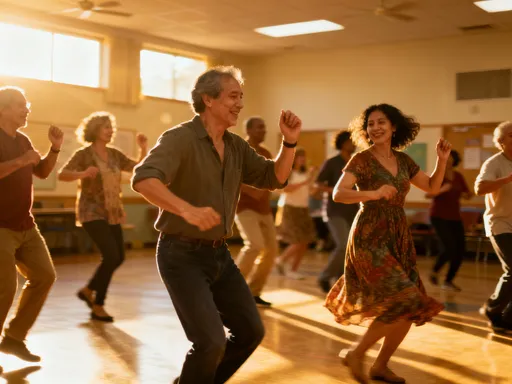
What makes this link even more compelling is how accessible it is. You don’t need expensive treatments or invasive procedures to see benefits. Simple, regular movement—like walking, stretching, or dancing in your living room—can begin to shift the internal conditions that affect your hair. The key is consistency. Over time, the cumulative effect of improved blood flow, reduced stress hormones, and balanced metabolism creates a foundation far stronger than any topical product alone can provide. This isn’t a replacement for good hair hygiene, but rather a powerful complement to it.
Blood Flow Boost: Fueling the Follicles
At the heart of healthy hair growth lies one essential factor: circulation. Hair follicles, like all living tissues, depend on a steady supply of oxygen and nutrients to function properly. When blood flow to the scalp is robust, follicles receive the vitamins, minerals, and amino acids needed to produce strong, resilient strands. This is where cardiovascular exercise plays a crucial role. Activities that elevate the heart rate—such as brisk walking, cycling, swimming, or even gardening—stimulate microcirculation in the scalp, ensuring that these vital resources are delivered efficiently.
The biological process is straightforward: as you move, your heart pumps more forcefully, increasing blood volume and pressure throughout the body. This enhanced circulation extends to the tiny capillaries in the scalp, which feed each hair follicle. Over time, this consistent nourishment can lead to improved hair density and reduced breakage. Some studies in dermatological research have observed that individuals with better cardiovascular health tend to report fewer issues with thinning or slow growth, suggesting a clear correlation between fitness and hair vitality.
Even low-impact activities contribute meaningfully to this process. A daily 30-minute walk, for example, may not feel intense, but it keeps the circulatory system active and supports long-term scalp health. Similarly, yoga poses that involve gentle inversions—like downward dog or legs-up-the-wall—can encourage blood flow to the head without requiring strenuous effort. The goal isn’t to push the body to extremes, but to maintain a rhythm of movement that keeps the body’s delivery systems functioning smoothly.
It’s also important to note that poor circulation can be a silent contributor to hair concerns. A sedentary lifestyle, prolonged sitting, and lack of movement can lead to sluggish blood flow, particularly in extremities—including the scalp. When follicles are deprived of consistent nourishment, they may enter a resting phase prematurely, leading to shedding or slower regrowth. By incorporating regular physical activity into daily life, women can counteract these effects and create an internal environment where hair is more likely to grow strong and stay anchored.
Stress Less, Shine More: Cortisol and Hair Loss
One of the most well-documented contributors to hair thinning is chronic stress. When the body remains in a prolonged state of tension, it produces elevated levels of cortisol, often referred to as the “stress hormone.” While cortisol plays a necessary role in the body’s fight-or-flight response, consistently high levels can disrupt normal physiological processes—including the hair growth cycle. Elevated cortisol has been linked to conditions such as telogen effluvium, a form of temporary hair shedding where more hairs than usual enter the resting phase and fall out.
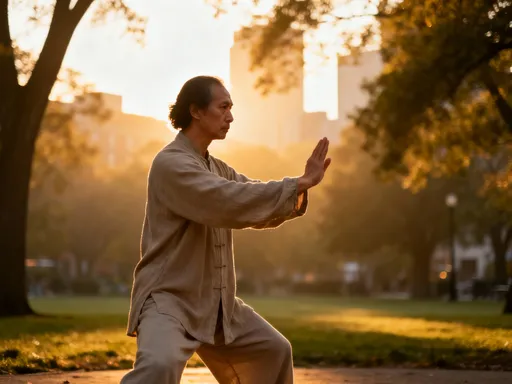
Exercise serves as a natural and effective way to regulate cortisol levels. Physical activity triggers the release of endorphins—chemicals in the brain that promote feelings of well-being and relaxation. Whether it’s a brisk walk, a dance session, or a gentle stretching routine, movement helps the body transition out of a stressed state and into a more balanced one. Over time, this regulation can lead to more stable hair cycles and reduced shedding.
Many women report noticing a difference in their hair’s resilience during periods of lower stress. For example, after a week of consistent workouts, some observe that their hair feels less brittle, tangles less easily, and appears fuller. These changes are not coincidental—they reflect the body’s improved ability to maintain homeostasis. Sleep quality, another factor influenced by stress, also tends to improve with regular exercise, further supporting hair health. Poor sleep has been associated with increased oxidative stress and hormonal imbalances, both of which can negatively affect the scalp and follicles.
However, it’s important to emphasize balance. While moderate exercise helps reduce stress, overtraining or excessive physical strain can have the opposite effect. Pushing the body too hard without adequate recovery may actually elevate cortisol levels, potentially triggering or worsening hair shedding. The goal is not intensity, but consistency and enjoyment. Finding forms of movement that feel good—whether it’s a morning stretch, a midday walk, or an evening yoga class—ensures that exercise remains a sustainable, positive influence on both mental well-being and hair health.
Hormonal Harmony: How Movement Balances the Body
Hormones play a central role in determining hair texture, thickness, and growth patterns. Imbalances—particularly those involving androgens, insulin, and thyroid hormones—can contribute to changes in hair quality, including thinning or excessive shedding. While some hormonal shifts are part of natural life stages such as perimenopause or postpartum recovery, lifestyle factors like physical activity can significantly influence how the body manages these changes.
Exercise supports hormonal balance in several key ways. First, it improves insulin sensitivity, meaning the body becomes more efficient at using glucose for energy rather than storing it as fat. This metabolic benefit helps reduce systemic inflammation, which can otherwise interfere with healthy hair growth. Insulin resistance, often linked to sedentary behavior and poor diet, has been associated with increased androgen activity in some women, which may contribute to hair thinning along the part line or crown.
Additionally, regular movement supports the endocrine system, helping to regulate the production and release of various hormones. For instance, strength training and resistance exercises have been shown to support healthy levels of growth hormone and testosterone (in balanced amounts), both of which contribute to tissue repair and cellular regeneration—including in hair follicles. Even moderate aerobic activity can help stabilize mood-related hormones like serotonin and dopamine, which, while not directly linked to hair, influence overall well-being and stress resilience.
For women navigating hormonal transitions, such as those in their 30s to 50s, incorporating consistent physical activity can be a proactive step in maintaining hair vitality. It won’t reverse genetic predispositions or replace medical treatment when necessary, but it can create a more favorable internal environment for hair to thrive. By supporting the body’s natural rhythms and reducing metabolic strain, exercise becomes a quiet yet powerful tool in the broader effort to preserve hair health during changing hormonal phases.
Sweating the Small Stuff: Scalp Cleanliness and Sweat
Sweat often gets a bad reputation—blamed for greasy roots, clogged pores, and unpleasant odors. But in reality, sweating is a natural and beneficial bodily function, especially when it comes to scalp health. During exercise, sweat glands on the scalp activate, helping to flush out impurities and excess sebum that can accumulate over time. This natural cleansing process can prevent follicle blockage, which, if left unchecked, may hinder hair growth or contribute to irritation.
The key to benefiting from sweat lies in post-workout hygiene. While sweating itself is not harmful to hair, allowing sweat, dirt, and product buildup to remain on the scalp for extended periods can create an environment conducive to bacterial growth or inflammation. Therefore, it’s advisable to rinse the scalp after intense workouts, especially if you’ve been wearing hats or headbands. A simple cool-water rinse can remove surface debris without stripping natural oils, preserving the scalp’s delicate balance.
For those with longer or thicker hair, a full wash may not be necessary every time. Instead, using a gentle, sulfate-free shampoo a few times a week can maintain cleanliness without over-drying. Some women find that co-washing—using a conditioning cleanser—helps refresh the scalp while retaining moisture. The goal is not to eliminate sweat, but to manage it in a way that supports, rather than hinders, hair health.
It’s also worth noting that sweat contains small amounts of urea and salt, which, in excess, can leave a residue on the scalp. While this is generally not harmful, individuals with sensitive skin or conditions like seborrheic dermatitis may benefit from more frequent cleansing. Listening to your body and adjusting your routine accordingly ensures that exercise remains a positive force for both scalp and hair. When paired with proper hygiene, sweating becomes not a problem to avoid, but a natural part of a healthy hair care cycle.
Movement as Daily Maintenance: Practical Routines
Knowing that exercise benefits hair health is one thing; integrating it into daily life is another. The good news is that significant improvements don’t require marathon training or hours at the gym. For most women, especially those balancing family, work, and personal responsibilities, small, consistent efforts yield the best results. The focus should be on sustainability—finding forms of movement that fit naturally into the day and feel enjoyable rather than burdensome.
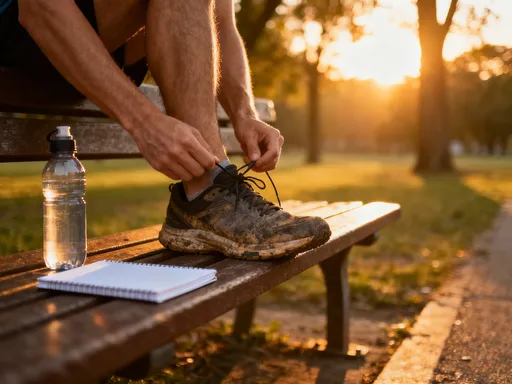
Aim for at least 150 minutes of moderate-intensity aerobic activity per week, as recommended by health authorities. This can be broken into 30-minute sessions five times a week, or even shorter 10- to 15-minute bursts throughout the day. Brisk walking, whether around the neighborhood or during a lunch break, is one of the most accessible and effective options. It elevates the heart rate just enough to boost circulation without placing excessive strain on the body.
Strength training is equally valuable. Engaging in bodyweight exercises like squats, lunges, or modified push-ups two to three times a week helps build muscle, improve metabolism, and support hormonal balance. These benefits extend beyond appearance and energy levels—they contribute to the internal conditions that foster healthy hair. Resistance bands or light dumbbells can be used at home, making strength work convenient and time-efficient.
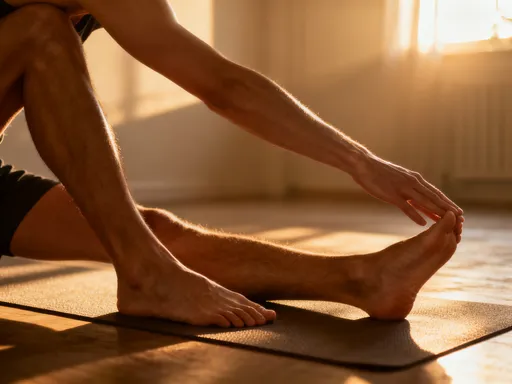
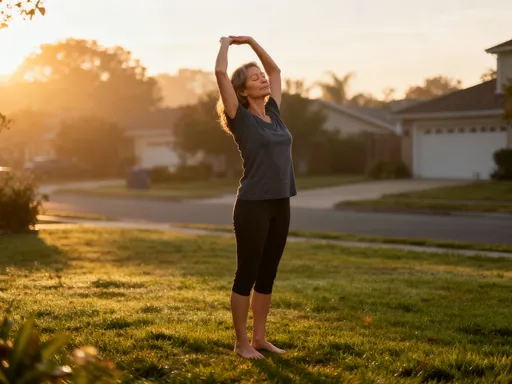
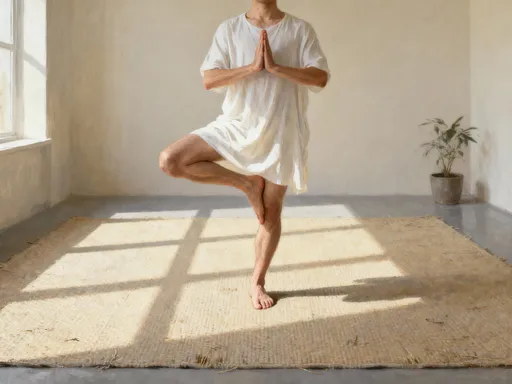
Yoga and stretching routines also deserve a place in a hair-healthy lifestyle. Beyond improving flexibility, these practices reduce stress, enhance circulation, and promote relaxation—factors that directly influence hair vitality. Even five to ten minutes of deep breathing and gentle neck rolls in the morning or before bed can make a noticeable difference over time. The most effective routine is the one you can stick with, not the one that feels like a chore. By treating movement as a form of self-care rather than a task, women can make exercise a natural, rewarding part of their daily rhythm.
Beyond the Gym: A Holistic Hair-Health Mindset
While exercise is a powerful contributor to hair health, it works best as part of a broader, holistic approach. True wellness—both for the body and the hair—emerges from the synergy of multiple healthy habits. Hydration, for instance, plays a crucial role. Water supports cellular function, nutrient transport, and scalp moisture, all of which are essential for strong, shiny strands. Drinking adequate fluids throughout the day complements the circulatory benefits of exercise, ensuring that nutrients reach the follicles efficiently.
Nutrition is equally important. A balanced diet rich in protein, iron, omega-3 fatty acids, and vitamins like biotin and vitamin D provides the building blocks for healthy hair. Foods such as eggs, leafy greens, nuts, and fatty fish support keratin production and reduce inflammation. Pairing good nutrition with regular movement creates a powerful foundation—one where hair is not just maintained, but actively strengthened from within.
Sleep completes this triad of support. During deep rest, the body repairs tissues, balances hormones, and regenerates cells—including those in the scalp. Poor or inconsistent sleep can disrupt cortisol levels and impair recovery, potentially undermining the benefits of both diet and exercise. Prioritizing seven to eight hours of quality sleep each night ensures that the body has the time it needs to sustain healthy hair growth cycles.
Ultimately, the journey to healthier hair is not about quick fixes or miracle solutions. It’s about making thoughtful, consistent choices that honor the body’s natural systems. Exercise, in this context, is more than a tool for fitness—it’s a form of daily nourishment, a commitment to long-term well-being. When women view movement as an essential part of their self-care routine, they open the door to not only stronger, shinier hair but also greater energy, confidence, and resilience in everyday life. The transformation begins not in the mirror, but in the choices made each day to move, breathe, and care for the body as a whole.