How I Finally Made Exercise Work for Weight Management — No Gym Required
For years, I struggled to lose weight while managing a chronic condition. Diets came and went, but nothing stuck — until I shifted my focus to movement I could actually enjoy. Turns out, effective weight management isn’t about intense workouts or extreme routines. It’s about consistency, smart choices, and listening to your body. In this article, I’ll walk you through the exercise strategies that truly worked for me — simple, sustainable, and science-backed. Remember, this is personal insight, not medical advice. Always consult your healthcare provider before starting any new routine.
The Real Challenge of Weight Management with Chronic Conditions
Living with a chronic health condition adds layers of complexity to weight management that many traditional diet and fitness programs fail to acknowledge. For individuals managing conditions such as arthritis, type 2 diabetes, heart disease, or fibromyalgia, the usual advice — eat less, move more — often falls short. The reality is that fatigue, pain, and fluctuating energy levels can make even basic physical activity feel overwhelming. These are not excuses, but real physiological barriers that require thoughtful, compassionate solutions.
Emotional challenges also play a significant role. Many women in their 30s to 50s who live with chronic illness report feeling discouraged after repeated attempts to lose weight. They may experience frustration, guilt, or a sense of failure when standard approaches don’t deliver results. This emotional burden can further reduce motivation, creating a cycle that’s difficult to break. The truth is, the body under chronic stress responds differently to food and movement. Expecting quick results or rigid adherence to generic plans ignores this biological reality.
What works instead is a shift in focus — from short-term weight loss to long-term health improvement. Research shows that even modest, consistent physical activity can lead to meaningful improvements in blood pressure, blood sugar control, and joint mobility, regardless of whether the scale moves dramatically. The goal isn’t perfection, but progress. Sustainable habits — such as daily walking, gentle strength training, or stretching — are more effective over time than intense but unsustainable regimens. These small actions build resilience, improve function, and support overall well-being, making them ideal for those managing ongoing health concerns.
Why Exercise Works (Even When Diets Don’t)
Dieting often fails because it relies heavily on restriction, which is difficult to maintain and can trigger metabolic slowdowns. In contrast, exercise offers benefits that go far beyond calorie expenditure. Physical activity influences hormones, improves circulation, and enhances cellular function in ways that food restriction alone cannot replicate. For women managing weight alongside health conditions, this makes movement a uniquely powerful tool. It doesn’t just help with weight — it supports the body’s ability to regulate itself more efficiently.
One of the most important benefits of regular exercise is improved insulin sensitivity. For individuals with insulin resistance or type 2 diabetes, this is crucial. When muscles contract during activity, they absorb glucose from the bloodstream without needing insulin. This means blood sugar levels can stabilize naturally, reducing the burden on the pancreas and decreasing reliance on medication over time. Studies have shown that consistent, moderate exercise can lower HbA1c levels — a key marker of long-term blood sugar control — even without significant weight loss.
Exercise also boosts energy by improving mitochondrial function — the energy-producing units within cells. Many people assume they need more energy to exercise, but the reverse is often true: regular movement creates more energy. Additionally, physical activity increases the production of endorphins and serotonin, neurotransmitters linked to improved mood and reduced anxiety. For women juggling family, work, and health challenges, this mental and emotional uplift can be just as valuable as physical changes. Over time, these benefits compound, leading to better sleep, reduced inflammation, and improved cardiovascular health — all of which support sustainable weight management.
Rethinking “Exercise”: From Intimidation to Integration
The word “exercise” often brings to mind images of crowded gyms, complicated equipment, and high-intensity classes. For many, especially those managing chronic conditions or returning to movement after a long break, this perception creates immediate resistance. The good news is that effective physical activity doesn’t require any of these things. In fact, the most sustainable forms of exercise are often the simplest and most accessible. Redefining what counts as exercise is the first step toward making it a lasting part of daily life.
Exercise can be as simple as walking around the block, gardening, climbing stairs, or doing household chores with a bit more intention. These activities, often called lifestyle movement, contribute meaningfully to daily energy expenditure and joint health. The key is consistency, not intensity. A 2022 study published in the Journal of the American Heart Association found that adults who engaged in regular moderate-intensity activities — like brisk walking — had lower risks of cardiovascular events, regardless of whether they also did structured workouts. This suggests that everyday movement matters more than we often realize.
Shifting the mindset from “exercise as punishment” to “movement as self-care” can dramatically improve adherence. When physical activity is framed as a way to feel better — to have more energy, less pain, or improved mood — it becomes something to look forward to, not dread. This mental reframing is especially important for women who may have spent years feeling guilty about not being “active enough.” By integrating movement into existing routines — such as walking while on phone calls or stretching during TV commercials — it becomes less of an added task and more of a natural habit.
My 3-Step Approach to Sustainable Movement
After years of false starts and frustration, I developed a three-step method that finally helped me stay consistent with physical activity. It’s not flashy, but it’s effective because it respects the realities of living with fluctuating energy and health limitations. The approach focuses on building tolerance gradually, honoring daily energy levels, and linking movement to existing habits — a strategy known as habit stacking.
Step 1: Start low and go slow. Instead of aiming for 30 minutes of exercise right away, I began with just five minutes a day. Whether it was walking around the living room or doing seated stretches, the goal was simply to show up. This eliminated the pressure of performance and reduced the risk of soreness or injury, which had derailed me in the past. Over time, those five minutes naturally extended to ten, then fifteen, as my body adapted. Research supports this approach: studies show that low-dose, consistent activity leads to better long-term adherence than aggressive programs that cause burnout.
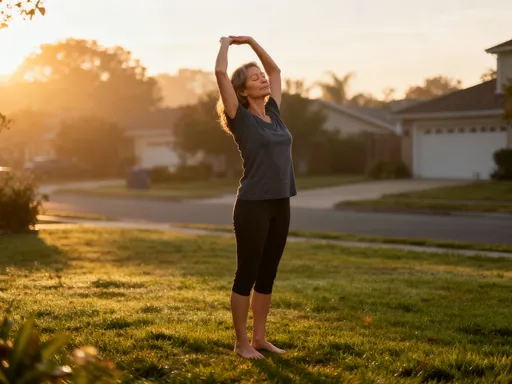
Step 2: Match activity to energy levels using the “energy banking” method. Some days, energy is high; others, it’s barely enough to get through work and family duties. Rather than pushing through fatigue, I learned to adjust my movement accordingly. On high-energy days, I might take a longer walk or do a few strength exercises. On low-energy days, I focus on gentle stretching or deep breathing. This isn’t giving up — it’s working with my body, not against it. By treating energy like a budget, I avoid overspending and crashing later, which helps maintain momentum over weeks and months.
Step 3: Stack habits by pairing movement with daily routines. I began linking physical activity to existing habits, such as taking a five-minute walk after each meal or doing calf raises while brushing my teeth. These micro-movements add up over time and require no extra time or willpower. Habit stacking works because it leverages the brain’s natural tendency to associate behaviors. When walking becomes part of the post-dinner routine, it feels automatic rather than optional. This method has been validated by behavioral science and is used by health coaches to help clients build lasting routines without relying on motivation alone.
The Types of Exercise That Actually Stick (And Why)
Not all forms of exercise are equally sustainable, especially for those managing chronic conditions. The most effective types are those that are low-impact, accessible, and adaptable to changing needs. These activities minimize strain on joints while still delivering meaningful health benefits. They also tend to be easier to maintain over time because they don’t leave you sore or exhausted — a key factor in long-term adherence.
Low-impact cardio is an excellent starting point. Walking, cycling on a stationary bike, or water-based activities like swimming or water aerobics are gentle on the joints but effective for improving cardiovascular health and burning calories. Walking, in particular, has strong scientific support. A large-scale review published in the British Journal of Sports Medicine found that regular walking significantly reduces the risk of type 2 diabetes, heart disease, and premature death. The beauty of walking is its simplicity — no special equipment, no membership fees, and it can be done almost anywhere.
Strength training is another essential component, even for those who assume it’s too difficult or risky. Using bodyweight exercises — such as seated marches, wall push-ups, or chair squats — or resistance bands can build muscle without heavy weights. Muscle mass is metabolically active, meaning it burns more calories at rest than fat tissue. This helps with weight management and improves balance and stability, reducing the risk of falls. For women over 40, maintaining muscle is especially important due to natural age-related muscle loss, known as sarcopenia.
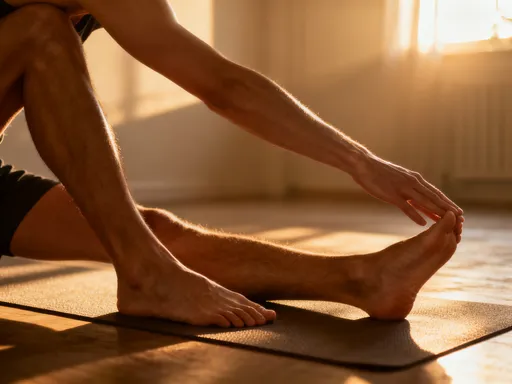
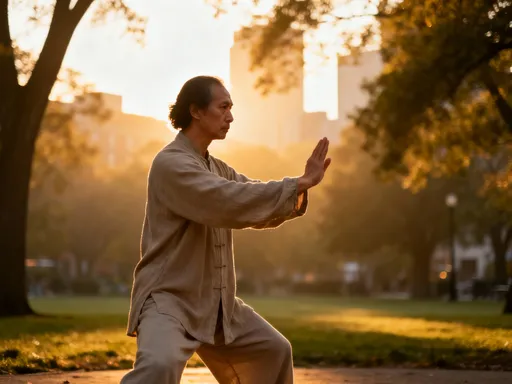
Flexibility and balance exercises, such as yoga or tai chi, round out a well-rounded routine. These practices improve range of motion, reduce stiffness, and enhance coordination. They also have a calming effect on the nervous system, which can lower stress hormones like cortisol — a factor linked to abdominal fat storage. Even five to ten minutes of daily stretching can make a noticeable difference in how the body feels and functions. The key is consistency, not intensity. These activities are not about achieving perfect poses but about maintaining mobility and comfort in everyday life.
How to Track Progress Beyond the Scale
The scale is a limited and often misleading tool for measuring progress. Weight fluctuates daily due to water retention, hormones, digestion, and other factors unrelated to fat loss. Relying solely on this number can lead to frustration and discouragement, especially when other positive changes are occurring. Learning to recognize non-scale victories is essential for staying motivated and appreciating the full impact of consistent movement.
Non-scale victories include improvements in energy levels, sleep quality, clothing fit, and physical ease. For example, being able to climb stairs without getting winded, bending down to tie shoes without pain, or sleeping through the night are all meaningful signs of progress. Many women report that their blood pressure readings improve, or their doctor reduces medication dosages — clear indicators of better health. These changes often happen before significant weight loss and are more reliable markers of long-term success.
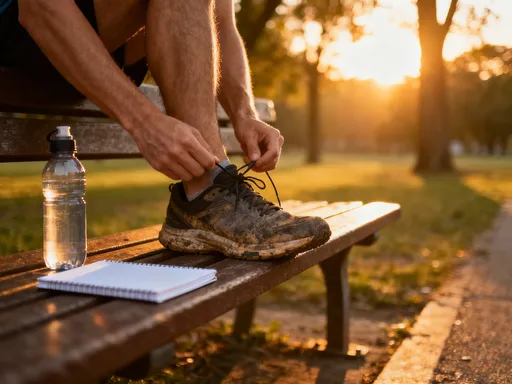
Simple tracking tools can help reinforce these wins. A journal where you note how you feel each day, a mobile app that logs steps or activity minutes, or even a weekly self-check-in can provide valuable feedback. The goal isn’t obsessive monitoring but gentle awareness. Seeing a pattern of improvement — such as more good days than bad, or gradually increasing walking time — builds confidence and reinforces the habit. Over time, this shifts the focus from weight loss as a goal to health improvement as a lifestyle.
Staying Consistent When Motivation Fades
Motivation naturally ebbs and flows. Relying on it as the sole driver of behavior is a recipe for inconsistency. The key to long-term success is building systems that work even when enthusiasm is low. This means planning for setbacks, creating accountability without shame, and celebrating small wins to reinforce positive behavior.
Setbacks are inevitable. Illness, travel, or family demands may interrupt routines. Instead of viewing these breaks as failures, it’s more helpful to see them as temporary pauses. The goal isn’t perfection but resilience — the ability to return to movement without self-criticism. One strategy is to have a “minimum viable routine,” such as five minutes of stretching or walking around the house, that can be done even on the busiest or hardest days. This maintains continuity and prevents the all-or-nothing mindset.
Accountability can come from gentle external support. This might mean sharing goals with a trusted friend, joining a low-pressure walking group, or using a simple calendar to mark off active days. The focus should be on encouragement, not pressure. Shame-based motivation doesn’t work long-term; positive reinforcement does. When progress is acknowledged — even something as small as choosing to move instead of sit — it strengthens the neural pathways associated with healthy habits.
Finally, celebrating small wins reinforces behavior change. Each time you choose movement, you’re sending a message to your brain that you value your health. Over time, these choices accumulate into lasting transformation. The journey isn’t about dramatic before-and-after photos but about feeling stronger, more capable, and more in tune with your body. That kind of change is sustainable, meaningful, and within reach for anyone willing to take the first small step.
Effective weight management isn’t about perfection — it’s about persistence. Exercise, when tailored to your life and condition, becomes less of a chore and more of a self-care practice. By focusing on what your body can do, not just what the scale shows, you build not only strength but confidence. These strategies aren’t magic, but they are proven, practical, and within reach. Always consult your doctor, honor your limits, and remember: small steps lead to real change.